Construction is changing fast. With cities expanding, more infrastructure projects popping up, and new environmental rules, brick makers are squeezed from all directions. They have to deliver quality while keeping costs under control. The real headache? Getting a steady, reliable flow of raw materials.
Traditional red-clay bricks have always depended on natural clay—usually taken from farmland. It throws off production, jacks up costs, and shrinks profit margins.
This is why switching to an Automatic Fly Ash Brick Machine makes a lot of sense. Instead of leaning on clay, these machines use things like fly ash, cement, sand, stone dust—all common industrial materials that are much easier to find. The result? A process that’s both easier on the environment and way less risky when it comes to sourcing materials. You get more flexibility, steadier business, and a future that’s a lot less stressful.
Let’s explore why investing in an automatic fly ash bricks making machine is becoming a smarter choice than continuing with traditional red-clay kiln setups.
The classic brick kiln relies heaviest on clay, scooped out of farmland. Workers mix it with water, shape it, leave it to dry in the sun, then burn it in a coal- or wood-fired kiln.
It’s how bricks have been made for decades, but this way eats up a ton of resources, sucks up labor, and depends on the weather. The biggest snag? You need a constant source of good-quality clay. That’s becoming harder to guarantee.
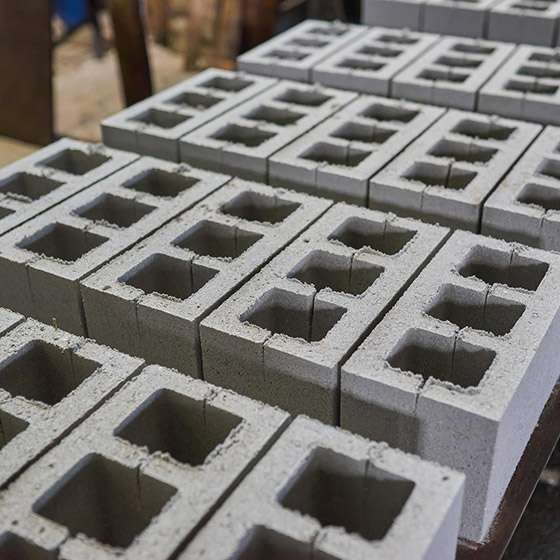
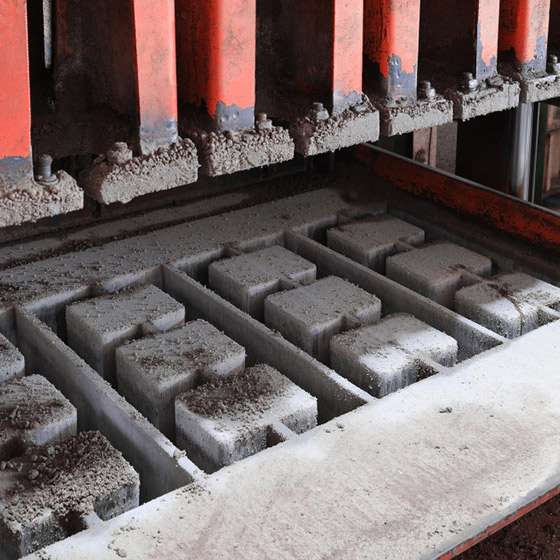
Fly ash brick machines take a completely different approach. They mix up fly ash, cement, sand, gypsum, and aggregates in specific ratios, then press everything together under strong hydraulic force.
No open flames here. These bricks don’t get fired—they get cured. That slashes fuel use and leaves a much lighter environmental footprint. Plus, with everything automated, each brick is the same size, shape, and strength. Waste drops, quality goes up.
Buying raw materials is no longer simple. Manufacturers face a ton of pressure to keep production running smoothly.
Governments are cracking down on clay excavation—trying to protect farmland and reduce damage to the land. It’s harder than ever to get a mining permit. In plenty of places, digging up clay is flat out banned.
This leaves kiln owners in the lurch, wondering if they’ll even have the clay they need next month.
Natural clay costs keep going up—whether from shipping, fewer sources, or all the paperwork needed for compliance. Makers sticking with clay have a tough time keeping costs predictable.
Maybe a shipment gets delayed. Maybe there aren’t enough workers. Sometimes fuel gets too expensive. If you’re banking on just one main material, you’re asking for trouble. Diversifying makes things a lot less risky.
Red-clay kilns put all their eggs in one basket—clay. When clay runs low or its price jumps, costs spike in a hurry. That lack of wiggle room is risky.
Lots of rain? Clay pits turn to mud. Trucks stall out on rural roads in bad weather. Production often drops whenever conditions get rough. With automatic fly ash and concrete brick block machine, rain or shine doesn’t matter—there are more suppliers and materials to pick from.
Around the world, governments push fly ash bricks through regulations or green building projects. Their goal is to cut down on clay usage and boost sustainability. For red-clay brick outfits, every new law ties more knots—higher costs, unexpected paperwork, or even tighter restrictions.
The big win with fly ash brick plants? Flexibility. You aren’t stuck chasing just one resource. You can use whatever makes sense: fly ash, cement, stone dust, sand, gypsum, crusher dust, other aggregates—a mix that’s easy to swap if needed. It’s hard for supplies to totally dry up when you have this many options.
If one supplier drops the ball or hikes prices, you can turn to another. You’re not as vulnerable to sudden spikes or shortages, and you can negotiate with a little more confidence.
Thermal power plants pump out fly ash non-stop. Instead of seeing it as waste, brick makers can snag this by-product year-round. This beats relying on a single, sensitive resource like clay, which is trickier to get, especially when weather or regulations aren’t on your side.
Fly ash is cheap—a ready-made by-product available in bulk, which keeps expenses down. Sourcing clay, by comparison, is getting harder and pricier. Saving money here gives you more room to profit.
Traditional clay brick makers often stockpile clay, tying up cash and needing storage. With fly ash and other industrial ingredients so widely available, you don’t have to keep as much on hand. This lightens your inventory and frees up capital.
Probably the biggest day-to-day advantage: you can run production nonstop, rain or shine. No waiting on clay excavators, no kiln firing delays. Meeting deadlines gets easier, keeping customers happy and letting you respond fast when orders pick up.
Automated machines control every step—batching, mixing, pressing, curing—so every brick matches the specs. This means more strength, better durability, fewer breakages, and happier buyers. Less waste, too.
If you’re serious about modernizing, companies like Karmyog Hi-Tech Machineries design machines that boost efficiency and tech support, helping you cut waste, control quality, and get the most from every batch.
The construction game is heading toward smarter, greener manufacturing. Old red-clay kilns face more hurdles every day: tighter regulations, wilder prices, unreliable supply chains, and an over-reliance on one material.
Switching to an automatic fly ash brick machine solves a lot of these headaches. With a variety of by-products to mix, suppliers to juggle, and automated processes, you get steadier production, lower costs, and products that are consistent—plus you’re way less exposed to the next big regulation or material shortage.
Going modern isn’t just about pumping out more bricks—it’s about building a business that stands strong when things get unpredictable. That’s the kind of edge you need now, and for the future.