Where in the Main Hydraulic Pressure Manifold Should Thermal Sensors Be Placed on a Continuous-Run Automatic Paver Block Making Machine?
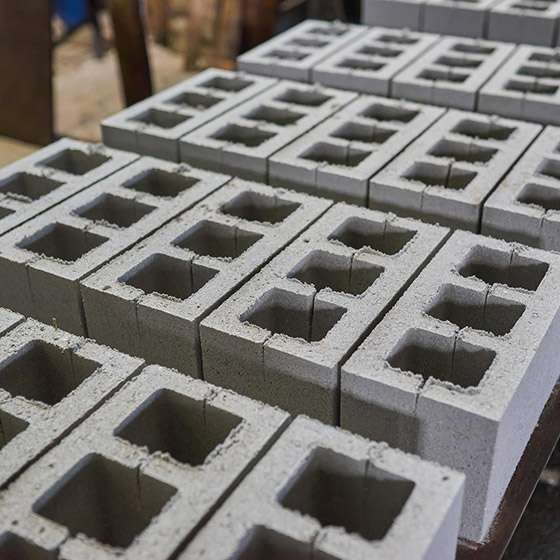
If you’re running a heavy-duty automatic paver block machine all day and night, you know these systems face a lot of wear—especially in the main hydraulic manifold. With modern Vibro-Press tech and nonstop hydraulic compression, you get dense, high-strength pavers, but you also get constant friction, fluid shearing, and pockets of heat building up inside the hydraulic block.
How to Manufacture High-Strength Interlocking Paver Blocks
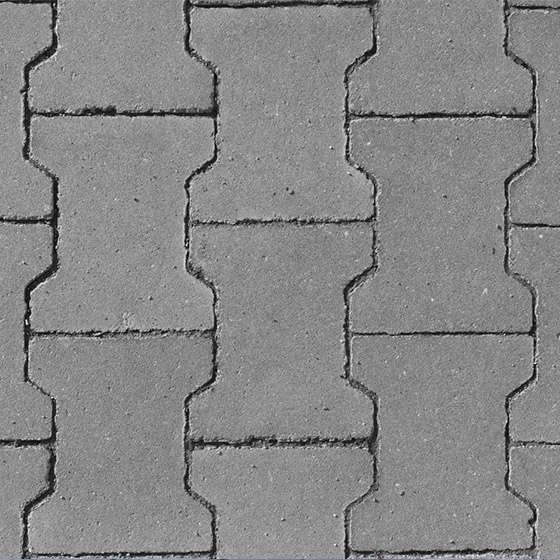
Interlocking paver blocks have pretty much taken over in India for all kinds of paving—driveways, footpaths, parking lots, industrial yards, and even roads. Why? They’re tough, look good, and you can lay them down a whole lot faster than traditional cast-in-place concrete. But, let’s get real—not every paver block you see out there is made to last.
How to Avoid Common Mistakes When Buying a Paver Block Machine
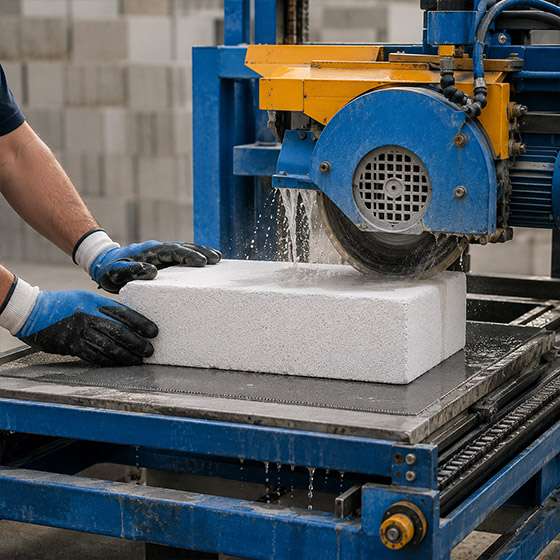
The surge in concrete paver block demand isn’t slowing down. New infrastructure, smart city blueprints, housing projects, and commercial landscaping jobs are popping up everywhere. So it’s no wonder so many people see a paver block machine as a golden business opportunity. It makes sense—if you get it right.
Why Modern Smart City Initiatives are Prioritizing Interlocking Blocks Made by an Automatic Paver Block Making Machine Over Traditional Asphalt
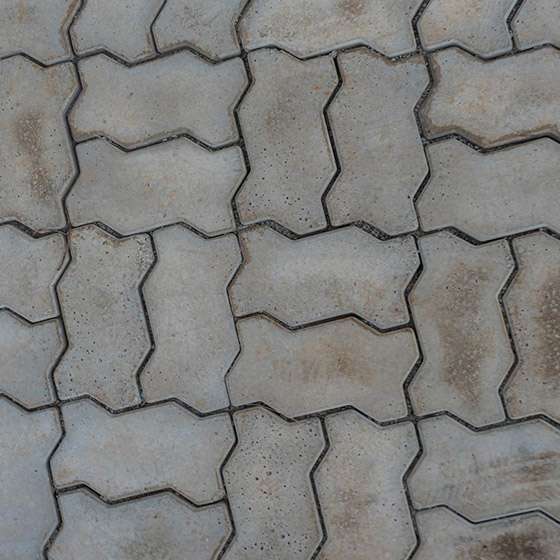
Cities are changing fast. As smart city projects pop up everywhere, urban planners are ditching the old ways—no more relying on basic asphalt for roads and public spaces. It’s losing its spot to something smarter, tougher, and greener.
What Automatic Moisture Control Systems are Mandatory for an Automatic Concrete Block Making Machine Operating in Extreme Tropical Climates?
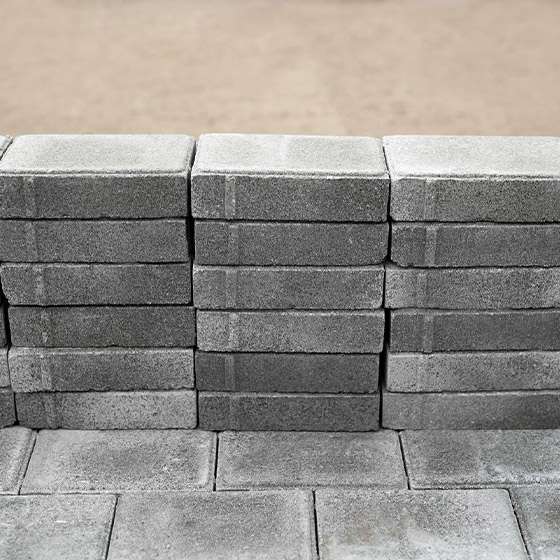
If you’ve ever run a concrete block machine in the heart of the tropics, you know it’s a constant battle. Hot days, humidity that never quits, and water vanishing from your mix faster than you can blink—it all messes with the chemistry of your concrete in ways that can ruin a whole batch.
When Should You Replace the Molds in Your Automatic Paver Block Making Machine to Maintain Perfect Interlocking Precision? #3
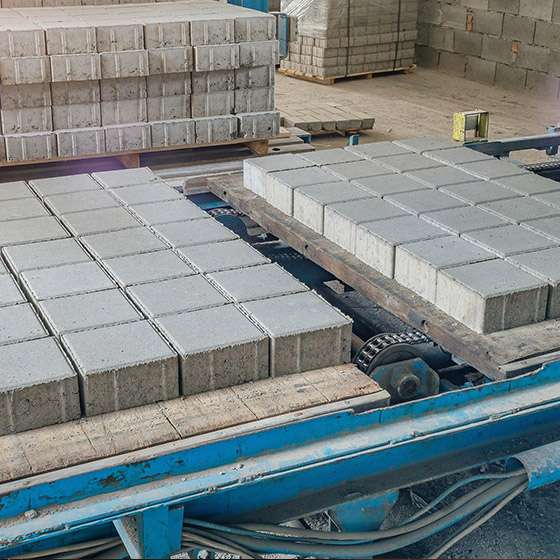
That’s the question if you’re aiming for flawless interlocking precision—because let’s face it, no one wants to end up with a batch that falls short. In the world of concrete, it’s really the molds that do the heavy lifting for quality and shape. The machine’s just the muscle.
What’s the Best Cement-to-Aggregate Ratio for a High-Speed Automatic Concrete Block Machine?
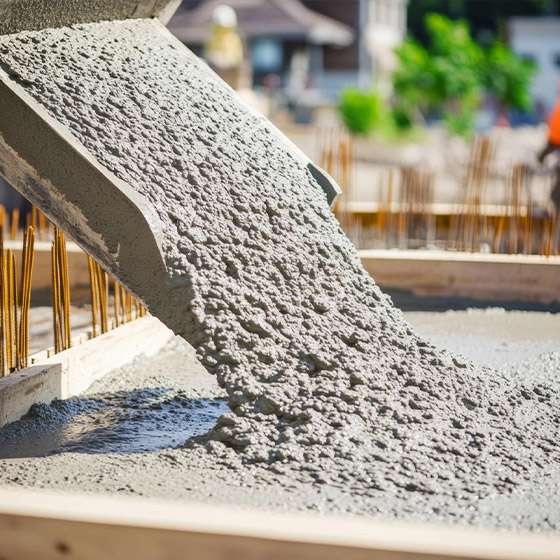
In mass production, tiny changes in your mix can turn a good day into a bad one. If you run a fully automatic concrete block machine, you’re chasing one thing: maximum strength, minimum waste.
When Should You Replace the Molds in Your Automatic Paver Block Making Machine to Maintain Perfect Interlocking Precision?
That’s the question if you’re aiming for flawless interlocking precision—because let’s face it, no one wants to end up with a batch that falls short. In the world of concrete, it’s really the molds that do the heavy lifting for quality and shape. The machine’s just the muscle.
What Hydraulic Pressure Levels are Required for an Automatic Paver Block Making Machine to Ensure Zero-Cracking Quality?
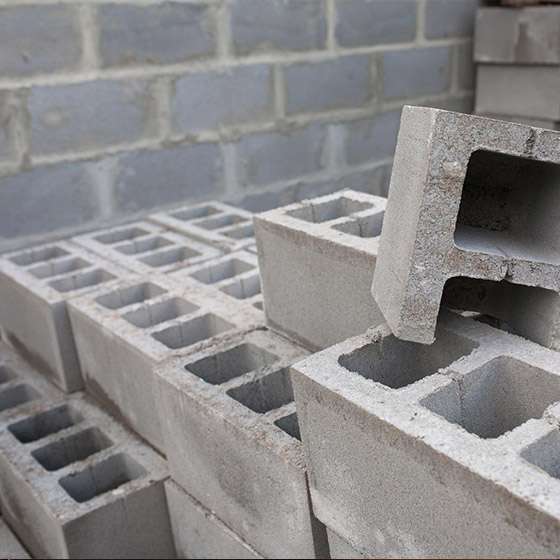
The construction world takes “zero-cracking” seriously. If your paver blocks start to crack, you’re not just losing a batch—you’re probably losing business. Lots of factors go into making a block strong, but none matter more than how much force you apply when molding. Get this wrong, and even the best mix or curing method can’t save you.
Why Vibro-Press Technology Sets the Standard for High-Traffic Roads in 2026
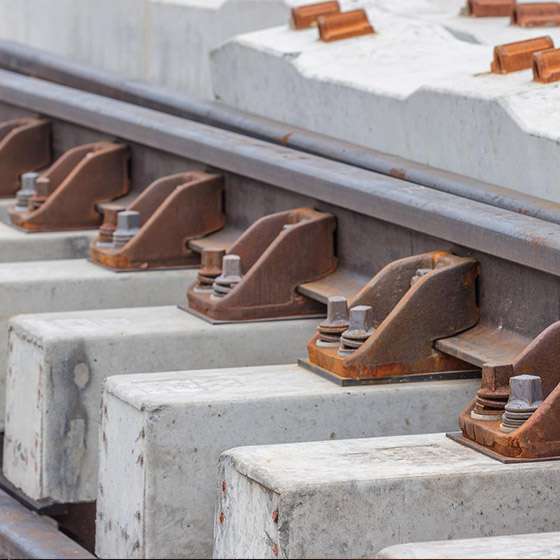
Let’s be real—every strong road starts with the right blocks. As India’s infrastructure game levels up in 2026, the old idea of “standard” paving isn’t enough anymore. Roads now battle heavier trucks, unpredictable monsoons, and packed city traffic.