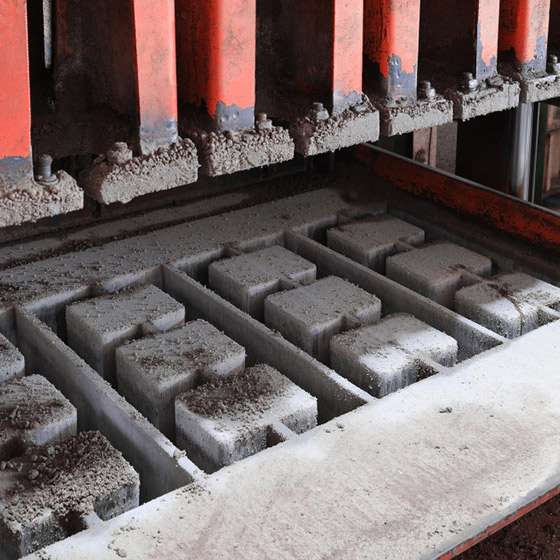
In mass production, tiny changes in your mix can turn a good day into a bad one. If you run a fully automatic concrete block machine, you’re chasing one thing: maximum strength, minimum waste.
So, say you’ve invested in high-end gear from Karmyog Hi-Tech Machineries. That’s a solid start. But even the smartest KHM-Series machine won’t do much unless your material “recipe” is spot-on. Nailing the cement-to-aggregate ratio isn’t just about building tough blocks—it keeps your production line humming without hiccups.
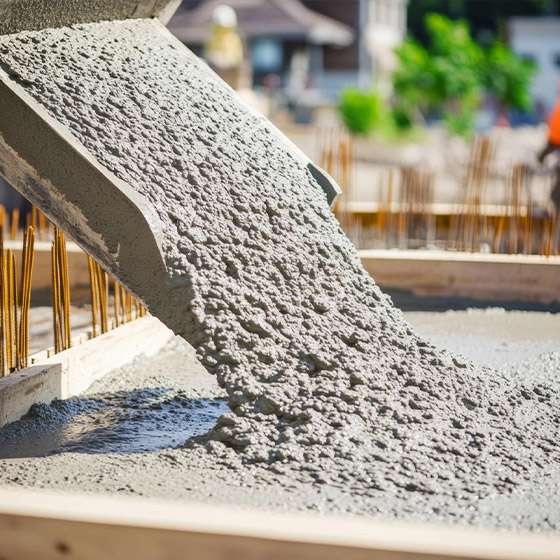
Forget manual casting. automatic concrete block making machines demand something different: a “semi-dry” or “no-slump” concrete mix. In plain terms, the mix should stick together under pressure but stay firm enough to pop out of the mold without flopping over.
Too much water? Your blocks sag and deform. Not enough? They crumble. Most factories start with a ratio of 1:6 or 1:8 (one part cement, six or eight parts aggregate). But the real trick is figuring out what “aggregate” means for you.
Don’t just toss in one kind of stone. The best mix pulls together:
– Crushed Stone/Grit (6mm to 10mm): Brings the muscle.
– Stone Dust or Coarse Sand: Fills in the big gaps.
– Fine Sand or Fly Ash: Packs in tight and smooths things out.
At karmyogindia.com, the go-to blend is one part Cement, three parts Stone Dust, three parts Grit. That combo lets the machine’s hydraulic pressure squeeze everything tight, so you avoid cracks and air pockets.
A 1:9 ratio looks like it saves money—less cement—but blocks turn fragile and shatter during high-speed ejection.
Contractors using fully automatic machines usually stick to a 1:6 ratio (one part cement, six parts aggregate). That extra cement isn’t wasted; it keeps the blocks solid as the machine pumps them out. You might pay a bit more for materials, but your finished blocks rarely get rejected, so profits hold steady.
Even the best mix falls flat if you don’t blend it well. Manual mixing? It’s a recipe for waste in high-speed setups.
Use a pan mixer or twin-shaft mixer hooked up to your PLC system. It coats every grain of sand in cement paste, giving your KHM-Series machine the best shot at applying full pressure. When your mix is even, the machinery glides through without strain, molds last longer, and blocks don’t break.
More manufacturers are turning to “Green Mixes” with fly ash. A 1:2:4 ratio (cement: fly ash: sand/grit) gets popular for trimming costs without giving up on strength.
Fly ash works like a lubricant during vibration. It lets aggregates slide into place, making the surface smoother and block denser. That means less energy wasted, blocks come out of molds easier, and you lose fewer to sticking or cracks.
Indian weather changes everything. The “perfect ratio” sometimes shifts between a dry morning and a sticky afternoon. Automatic machines need you to keep an eye on aggregate moisture.
If your sand is wet, pull back on water to keep the 1:6 balance. Too sticky? The mix sticks to the mold, leaving marks on your blocks. Keeping the mix “earth-moist”—not too wet, not too dry—keeps wastage at zero.
Dialing in your cement-to-aggregate ratio is a science—and the payoff is faster production cycles and better blocks. Stick with a 1:6 or 1:7 ratio and a well-chosen mix. Your Karmyog India equipment will deliver maximum value.
Need to fine-tune your mix for a special project? Check out the KHM-Series at Karmyog India, and talk to their experts for tailored advice.