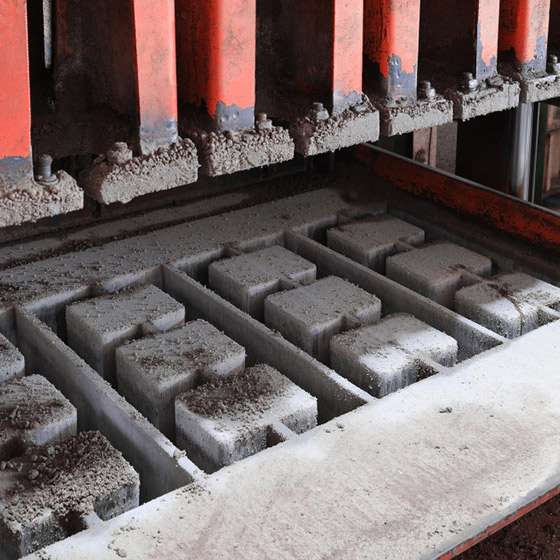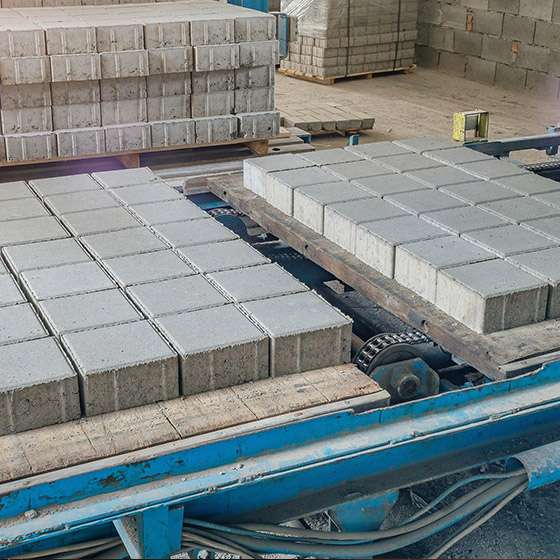
That’s the question if you’re aiming for flawless interlocking precision—because let’s face it, no one wants to end up with a batch that falls short. In the world of concrete, it’s really the molds that do the heavy lifting for quality and shape. The machine’s just the muscle.
If you’ve invested in Karmyog Hi-Tech gear, you’ve already got durability on your side. But steel can only take so much abuse from sand, stone dust, and cement. So, you need to know what signs to watch for—a few details tell you when it’s time to retire a mold.
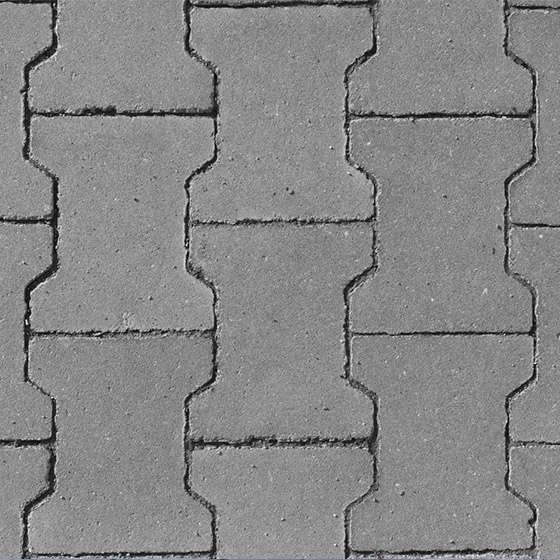
Interlocking pavers lock together so roads stay stable. Fresh molds mean crisp corners and perfect fits. But after thousands of uses, the concrete wears down those inner edges. When you start seeing rounded molds, your pavers end up with gaps—and water sneaks in, making things shift. If your blocks have lost that razor-sharp profile, check out replacements at karmyogindia.com.
After tons of hydraulic pressure, the fully automatic concrete block machine starts to thin and the cavity gets bigger. Just a couple millimeters off, and you’ve got trouble. Patterns won’t line up, installation turns into a nightmare, and clients get annoyed fast. Keep a digital caliper handy and measure regularly—you’ll catch mold expansion before it wrecks a project.
Great automatic paver block making machines should pop out blocks without drama. But as molds age, pits and scratches show up. That extra surface friction means you use more release oil or the blocks come out with scuffs. Not good. It ruins appearances and puts strain on your hydraulics.
Here’s a sneaky issue—a worn mold can actually weaken your blocks. Thin mold walls start to flex when pressed and vibrated, so the concrete never achieves maximum density. If your strength tests drop—even when your mix is right—blame the mold.
Top-notch blocks shouldn’t chew through jointing material. When molds wear out, interlocks get loose and contractors use way more sand just to keep things steady. For big projects, that’s a dealbreaker. Swapping old molds out keeps your accuracy dead-on.
With Karmyog’s PLC system, you can track every mold cycle down to the last stroke. Most steel molds last between 60,000 and 100,000 runs—depending on your raw materials. Set an alarm, and you won’t end up with surprise mold failures or dropping quality.
So, don’t wait for your molds to go out with a whimper. Stay ahead. Get proactive with replacements, and you’ll keep your production fast, your blocks dense, and your clients happy. If you’re seeing any slippage in your quality, check out what Karmyog India offers—precision molds to keep your business humming.