If you run a brick manufacturing business, your Automatic Fly Ash Brick Making Machine is probably your biggest investment. And just like any heavy-duty hydraulic machine, how long it lasts—and how well it works—depends on how you take care of it. With the right maintenance, your machine will hum along for over a decade, turning out quality bricks every day. Skip the regular care, and you’ll be battling cracks, uneven bricks, and breakdowns in just a few years. Let’s get into what your fly ash brick machine really needs—every day, week, month, and year—to stay in top shape for the long haul. I’ll break down the basics, plus some service tips that companies like Karmyog Hi-Tech Machineries make part of their support.
This isn’t some simple tool you just switch on and forget about. A fly ash brick machine is a tightly engineered combo: hydraulic press, electrical controls, vibration system, precision moulds. Everything works together under massive pressure and constant loads. If you let any part slide—even a little—it doesn’t just risk a breakdown; it hurts every brick you make. Maybe there’s a hydraulic leak, or the mould is worn, or a bolt worked loose. Suddenly, your bricks turn out weak, with low density—even if your material mix was spot-on. Maintenance isn’t just about avoiding machine downtime; it’s all about keeping your brick quality consistently high.
You only need a few minutes each day, but daily checks are what keep big trouble at bay.
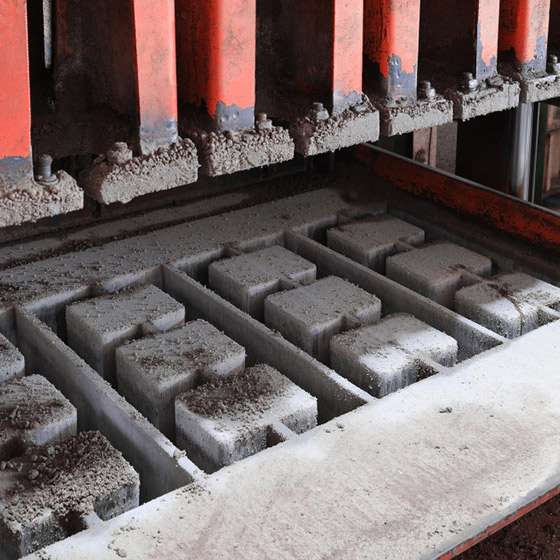
Inspect all moulds monthly. These wear out over time, so catch it before it messes up your brick sizes.
Once a year, do a full hydraulic service: change the oil, filters, and check all seals. If you use the machine more heavily, do this based on hours instead.
Give the frame, welds, and cylinder mounts a full inspection for cracks or fatigue. The whole machine sits under heavy force.
Replace wear parts like mould liners, vibration bushes, or rollers before they fail instead of waiting for them to break. It costs less in the long run.
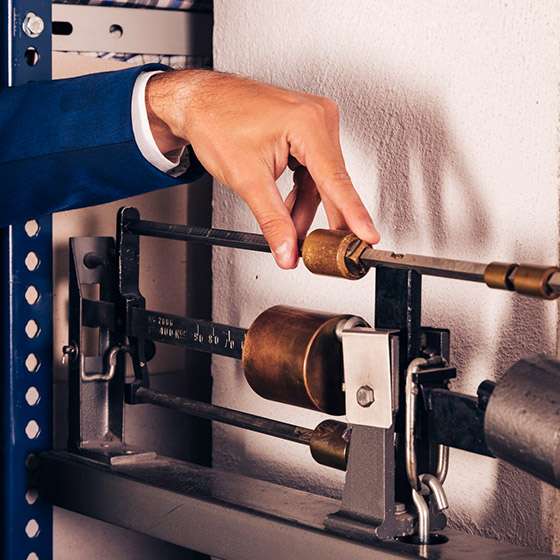
Calibrate pressure settings and cycle timing every so often to make sure your bricks still come out with the right density and size.
Consider an annual service contract with your supplier. Companies like Karmyog Hi-Tech Machineries offer this—it pays off, since their techs catch stuff your operators might miss. Plus, it keeps your warranty and guarantees valid.
Even the best maintenance routine won’t help if your operators don’t know what they’re doing. Experienced staff spot early trouble—odd sounds, uneven output, sudden drops in pressure—and act before things get worse. Training is huge here, and good suppliers usually include it when they install and set up your machine. It’s worth it—trained operators keep your downtime low and your brick quality high.
Lost production time hurts your profits more than you might think. So before you buy a machine, make sure you can get common spare parts—moulds, seals, vibration bits—locally. Ask how fast you’ll get help if you call for service. And check that the supplier, like Karmyog Hi-Tech Machineries, offers local support after your warranty runs out. The right backup makes all the difference over the years.