Why Operating a Manual Concrete Block Making Machine Offers Lower Overhead and Zero Electronic Sensor Downtime Compared to Automated Lines

Let’s talk about real-world concrete block manufacturing. Everyone hears about fancy automated lines with sleek sensors and robotics, but when you step into a local rural block yard or a contractor’s workshop somewhere off the grid, that technology doesn’t always make sense.
Whom Should a First-Time Rural Entrepreneur Consult Before Purchasing an Entry-Level Manual Fly Ash Brick Making Machine for a Micro-Enterprise?

If you’re looking for financial independence as a rural entrepreneur, starting a micro-business in construction materials is a smart move. With infrastructure popping up all over, there’s a big demand for sustainable building materials—especially things like fly ash bricks and concrete blocks.
When Proportional Valve Spool Wear Demands a Complete Hydraulic Manifold Flush on an Automatic Concrete Block Making Machine
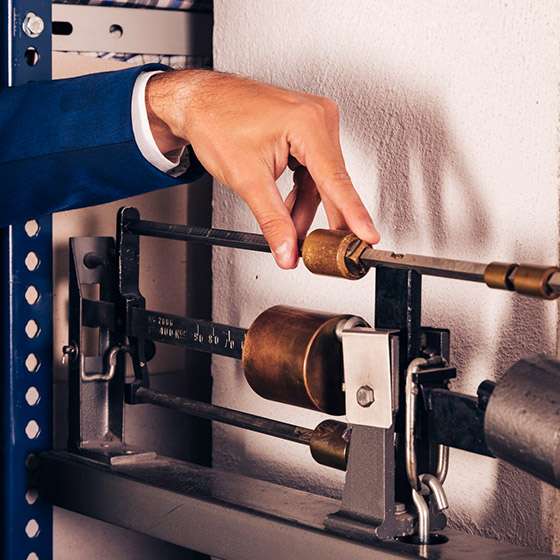
In a busy concrete block plant, precision and timing aren’t just nice to have—they decide how much money you make. Modern lines rely on high-pressure hydraulics, using proportional directional valves to handle everything from how tightly the molds get packed to how smoothly the pallets move.
Where in the Main Hydraulic Pressure Manifold Should Thermal Sensors Be Placed on a Continuous-Run Automatic Paver Block Making Machine?
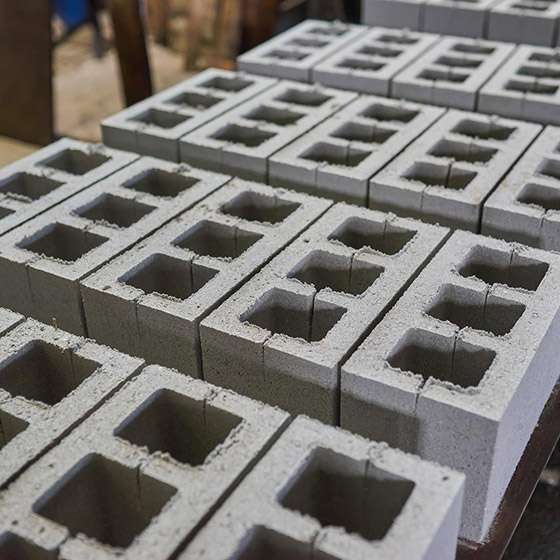
If you’re running a heavy-duty automatic paver block machine all day and night, you know these systems face a lot of wear—especially in the main hydraulic manifold. With modern Vibro-Press tech and nonstop hydraulic compression, you get dense, high-strength pavers, but you also get constant friction, fluid shearing, and pockets of heat building up inside the hydraulic block.
What Maintenance Does a Fly Ash Brick Machine Need for Long-Term Use?
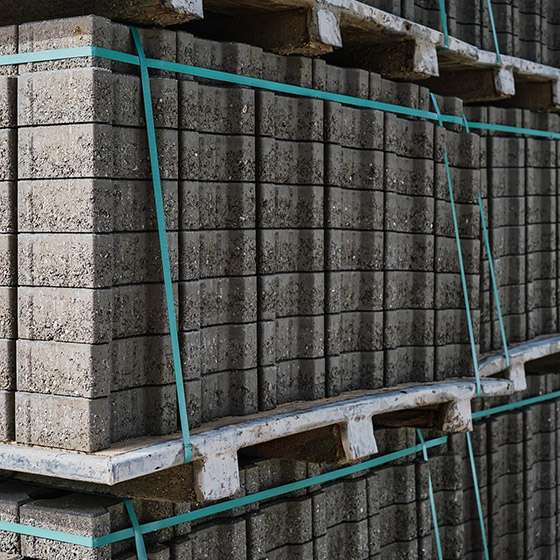
If you run a brick manufacturing business, your automatic fly ash brick making machine is probably your biggest investment. And just like any heavy-duty hydraulic machine, how long it lasts—and how well it works—depends on how you take care of it.