Why Fly Ash Bricks Are Replacing Traditional Clay Bricks in Construction

For centuries, the red clay brick was the undisputed king of construction. A symbol of permanence, it formed the foundation of our cities. However, the modern era demands materials that are not only durable but also sustainable, uniform, and cost-effective.

Today, a quiet revolution is happening across building sites worldwide, driven by the Fly Ash Brick. This innovative building block is rapidly replacing its clay predecessor, not just as an alternative, but as the superior choice for sustainable construction.

Here is a look at the five key reasons fly ash bricks are becoming the new standard.

1. The Eco-Friendly Mandate: Saving Soil and Air

The most compelling reason for the shift lies in environmental sustainability.

  • Waste Utilization: Fly ash is a major industrial waste product—a fine powder residue generated by coal-fired thermal power plants. Fly ash bricks turn this environmental liability into an asset, diverting millions of tons of waste from landfills.
  • Conserving Natural Resources: Traditional clay brick production requires the excavation of fertile topsoil, leading to land degradation and soil erosion. Fly ash bricks entirely eliminate this need.
  • Zero Kiln Emissions: Clay bricks are fired in energy-intensive kilns, releasing significant amounts of greenhouse gases (CO2) and pollutants into the atmosphere. Fly ash bricks are cured using water, an eco-friendly process that results in zero air pollution and dramatically reduces the overall carbon footprint of the production cycle.

2. Superior Strength and Durability

While traditional bricks are durable, fly ash bricks excel in core performance metrics, thanks largely to modern manufacturing techniques.

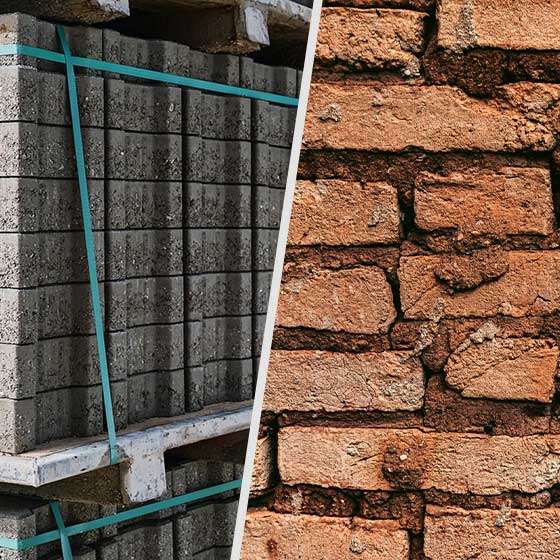
  • High Compressive Strength: Fly ash bricks exhibit significantly greater high compressive strength (often three times that of clay bricks). This makes them ideal for modern load-bearing structures and high-rise buildings, ensuring a robust and long-lasting structure.
  • Low Water Absorption: Clay bricks can absorb 15-25% of their weight in water, leading to dampness, efflorescence (white residue), and weakened plaster. Fly ash bricks absorb only about 10% or less, reducing the risk of water seepage and dampness inside walls.
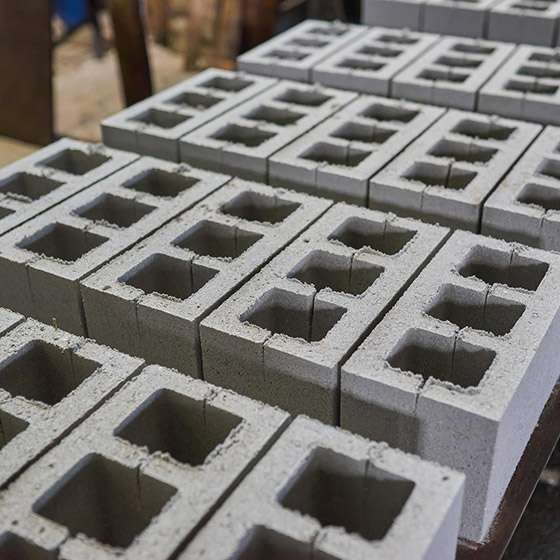
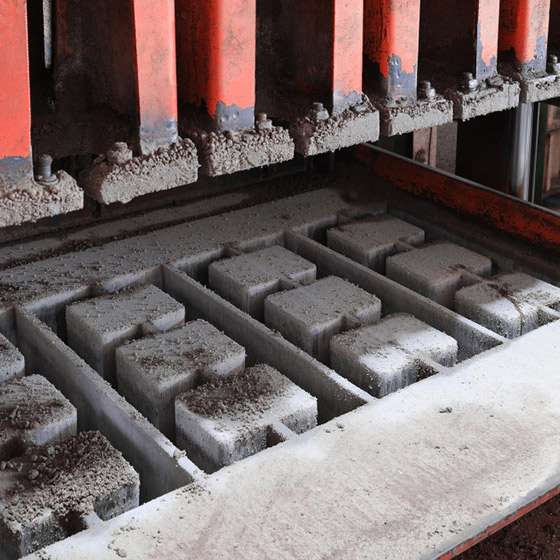
  • Consistency and Uniformity: Manufactured using Fully Automatic Fly Ash Brick Making Machines that leverage Hydraulic Technology and Vibro Compaction, fly ash bricks have perfectly uniform size, shape, and smooth surfaces. This is a massive advantage over the irregular, hand-molded clay variety.

3. Cost-Effective and Construction Efficiency

Though the initial per-unit cost may sometimes be comparable, the true cost-effective nature of fly ash bricks is realized during the construction phase.

  • Reduced Mortar & Plaster: The dimensional uniformity of fly ash bricks means masons can lay them faster and require up to 25% less mortar. Furthermore, their smooth surface often requires less plaster or can even be used as a facing brick without plastering, saving material and labor costs.
  • Lower Wastage: Machine-made consistency also translates to minimal breakage (typically less than 2%) during transport and handling, leading to less wastage on site.
  • Thermal Insulation: Fly ash bricks offer better thermal resistance than clay, helping keep interiors cooler in summer and warmer in winter. This feature is crucial for energy efficiency, leading to long-term savings on heating and cooling bills.

4. Faster Manufacturing and High Production Capacity

The automated process behind fly ash bricks is optimized for modern industrial scale.

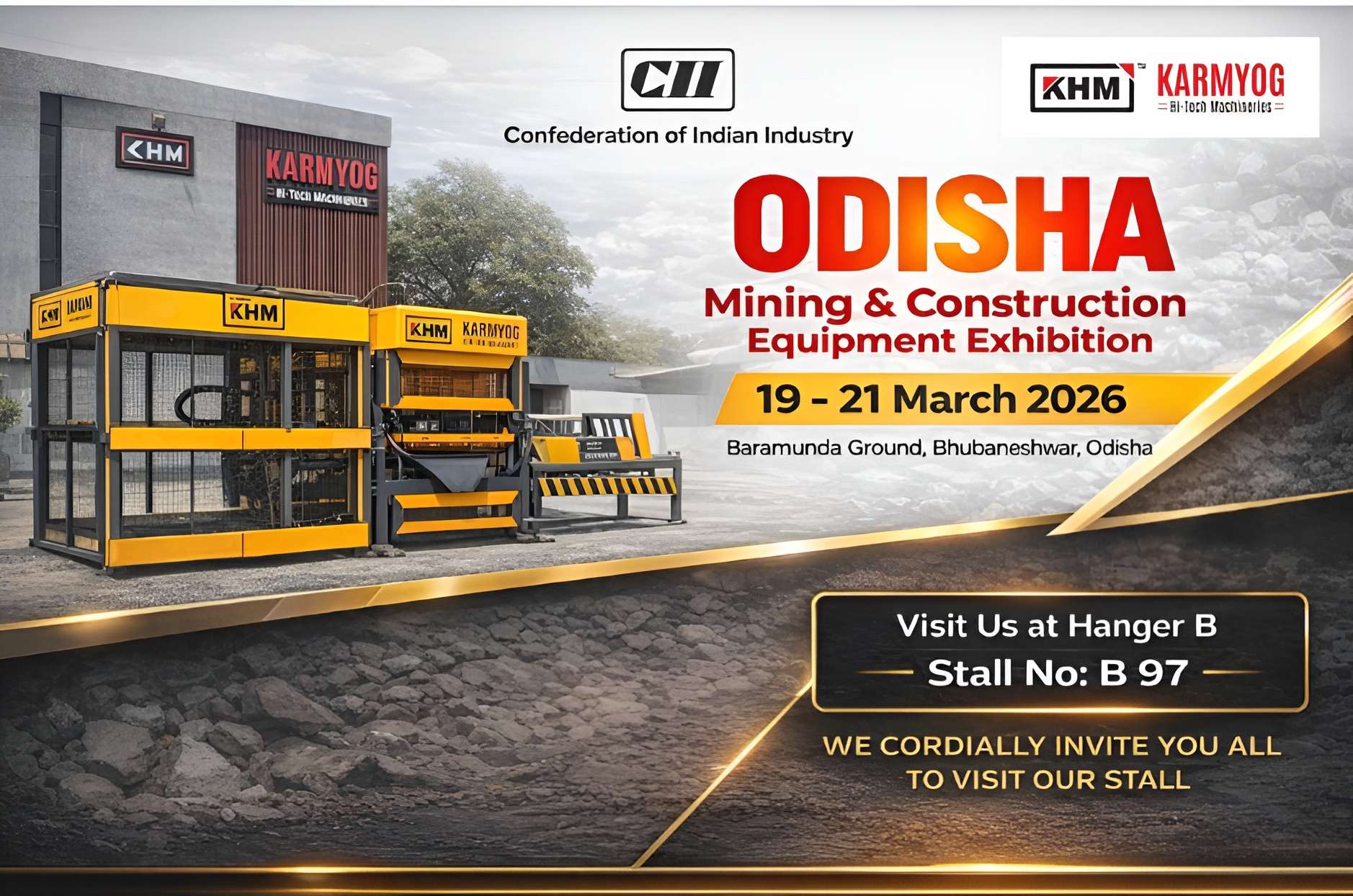
The use of an automated system, often supplied by manufacturers like Karmyog Hi-Tech Machineries, ensures consistent, round-the-clock production. This High Production Capacity meets the aggressive timelines of large infrastructure projects, ensuring a stable and reliable supply of durable building materials.

Conclusion: The Future is Fly Ash

The move away from traditional clay bricks is not based on trend, but on tangible, measurable advantages. Fly ash bricks offer a powerful combination of superior performance, substantial cost-effectiveness, and undeniable eco-friendly benefits. They are the clear choice for architects, builders, and developers committed to building stronger, more efficient, and truly sustainable infrastructure for the future.