The construction game keeps changing, with tech pushing things further every year. One thing that’s been a real game changer is Vibro Compaction Technology. If you make paver blocks, concrete blocks, kerb stones, or pretty much any kind of precast concrete product, this technology makes a real difference. It gives you stronger products, spot-on dimensions, and durability that lasts.
More and more manufacturers are ditching the old ways and investing in automatic concrete block machines with Vibro Compaction. Why? Because they get consistent results, waste less material, and crank out more products in less time.
So, what exactly is Vibro Compaction Technology, how does it work, and what makes it such an industry standard? Here’s the breakdown.
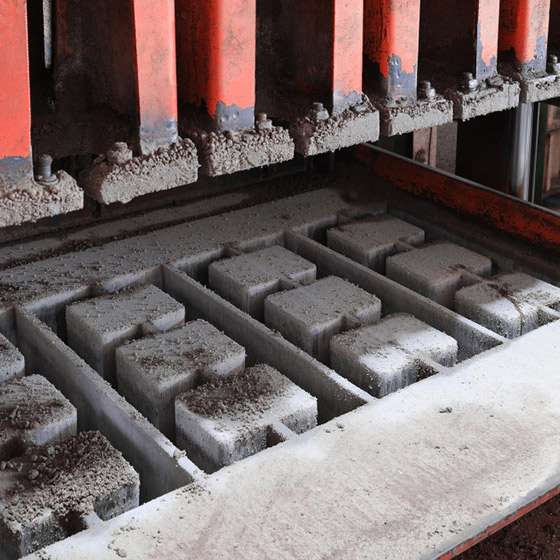
At its core, Vibro Compaction Technology is a way to make concrete blocks and similar products by compacting concrete with mechanical vibrations and hydraulic pressure—that’s the secret sauce. Instead of squishing the mix by hand, high-powered vibrators spread concrete out evenly inside the mould, getting rid of trapped air. Then hydraulic cylinders press everything together, so the result’s dense and uniform.
Here’s what you get:
Companies like Karmyog Hi-Tech Machineries have taken this tech and built entire automated lines to make these concrete products tougher and more consistent.
This process goes through a few key steps:
1. Concrete Mixing – First, you mix cement, stone dust, sand, aggregates, maybe some fly ash, and water—following a specific recipe
2. Mould Filling – That mix goes straight into steel moulds. Each cavity gets just the right amount—no guessing.
3. Vibration –Now, powerful vibrators kick in. Their high-frequency shaking gets rid of pesky air pockets, settles the particles evenly, and boosts density.
4. Hydraulic Compression – Hydraulic cylinders press on the concrete, making it even denser. Combining pressure and vibration makes the blocks much stronger than old-school pressing ever could.
5. Demoulding – Next, the blocks come out of the moulds already firm—so you don’t need to worry about deforming them.
6. Curing – And finally, the blocks are cured to finish hardening up and to get their final strength.
Here’s the thing: not all concrete blocks are created equal. The way you make them has a massive impact on how they perform. So, why care about vibro compaction? Wel
Let’s start with strength. Removing air voids and compacting the mix means the concrete’s dense and tough. That translates to:
This really matters if you’re making blocks for demanding environments, like roadways or industrial sites
Vibro Compaction gives you smooth surfaces, crisp edges, and a uniform look. If you’re making decorative blocks or pavers, that makes a world of difference—for both looks and customer satisfaction.
Nobody wants lopsided blocks. Vibro Compaction delivers perfect dimensions, so everything fits neatly on site. That means installations go faster, joints line up, and you waste less material.
This process is efficient. You use every bit of your raw materials, which means you use less cement, scrap fewer bad pieces, and keep your breakage rates low. It’s good for your wallet and for the planet.
When the concrete is dense, it holds up better—against water, frost, abrasion, weather, and chemicals. Those blocks last longer, wherever you use them.
Automatic plants using Vibro Compaction move fast, keeping quality high even at scale. Machines with vibration frequencies around 60–90 Hz put out a big volume every day, cut down on labor, and boost your shop’s efficiency.
This isn’t just one niche tool. Manufacturers use it for:
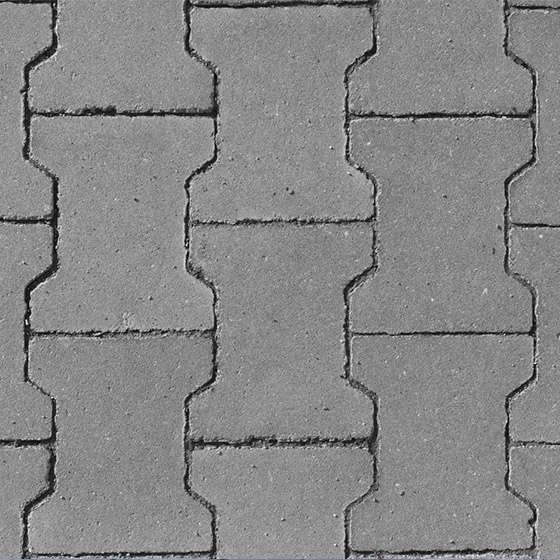
– Paver Blocks: Strong, durable, sharp, and good-looking for roads and sidewalks.
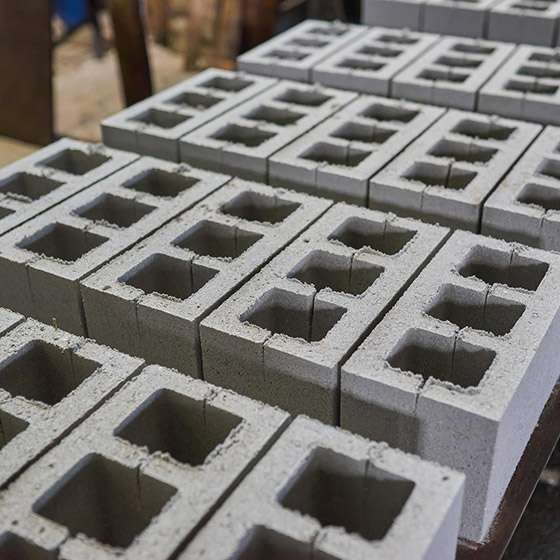
– Concrete Blocks: Reliable strength for both solid and hollow versions.
– Kerb Stones: Withstand hits from traffic and weather.
– Fly Ash Bricks: Even with a different mix, vibration brings out density and quality.
Compared with the old semi-automatic (or manual) machines, automatic systems take care of everything:
Less manual work, fewer mistakes, and better blocks.
Before you buy, focus on:
If you’re serious about concrete products, Karmyog Hi-Tech Machineries is worth a look. They’ve got automatic plants loaded with Vibro Compaction Technology for:
Their machines give you top strength, accurate size, and steady performance. Plus, you get a company with an ISO 9001:2015 tag, years of know-how, and solid support before and after you buy.
Vibro Compaction technology isn’t standing still. More construction companies want high-performance, eco-friendly, and precisely made materials. Pretty soon, you’re going to see:
These upgrades mean even better quality and lower costs down the line.
It combines controlled vibration with pressure, producing blocks that are stronger, more uniform, and simply better-while keeping production efficient and waste low.
If you work with concrete products, investing in high-tech Vibro Compaction machinery will help you meet today’s demands and stay competitive. And if you go with a reliable manufacturer like Karmyog Hi-Tech Machineries, you can count on gear that works, with support you can trust.