Let’s be real—construction never stands still. Cities keep growing, infrastructure gets an upgrade, and everyone wants building materials that last. That’s where the automatic concrete brick machine comes in. It’s changed how brick manufacturers work, helping them pump out more bricks at a steady, reliable quality—and without piling on labor costs.
You don’t have to look far back to remember when making bricks meant a lot of physical work, slow progress, and plenty of hands on deck. Today, it’s a whole new game. With modern machines running on automation, hydraulics, and smart controls, you can make thousands of solid bricks in just one day—barely lifting a finger in the process.
If you’re thinking about jumping into the brick business or want to ramp up your own production, it really helps to know how these machines tick. Here’s the deal in simple terms—from how the process works to what makes these machines such an upgrade for the industry.
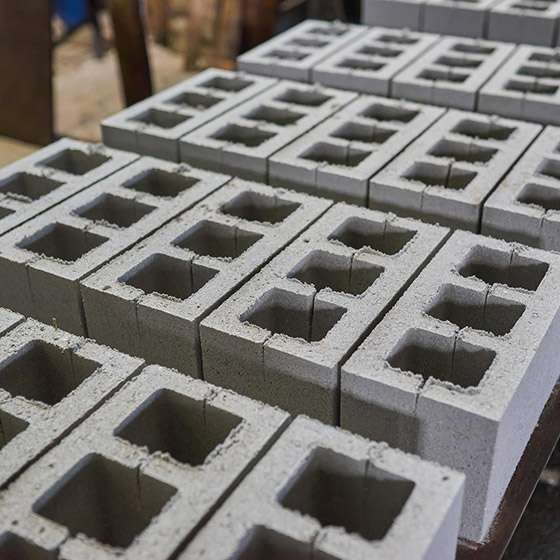
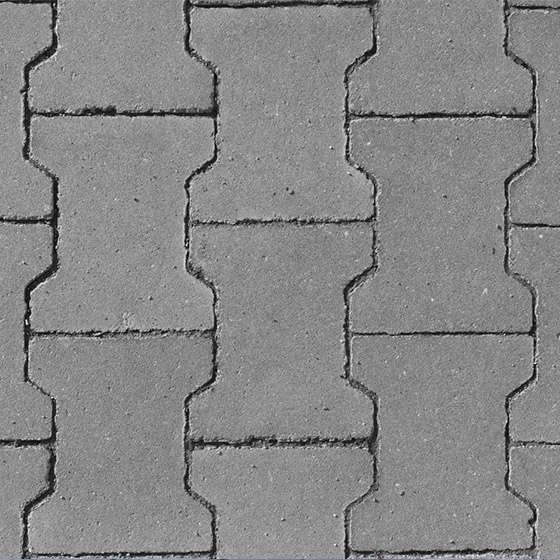
At its core, an automatic concrete brick making machine is a system built to churn out concrete bricks, hollow blocks, fly ash bricks, pavers, kerbstones, and other concrete pieces, all with barely any manual labor.
Here’s what sets it apart: Instead of needing someone to feed materials, mix everything, press it, move products, and stack them, the automatic machine does it all—from loading raw materials through molding and stacking—controlled by a smart, programmable system.
Why automate? It’s about making more bricks, faster. And without worrying about jobsite fatigue or human error in every batch.
You’ll find these machines everywhere construction’s booming:
The construction race is heating up. People need more buildings and roads, which means more bricks—quickly. Automatic machines really shine because they:
If you want to see what makes these machines so efficient, just take a look at the main parts:
Material Feeding System – Raw ingredients (cement, sand, aggregates, etc.) start in a hopper. The system feeds them into the mixer in the right ratios every time, so you get consistency.
Mixing Unit – The mixer blends everything up—cement, sand, sometimes fly ash, water, maybe pigments or additives—creating a uniform mix that gives the bricks their strength.
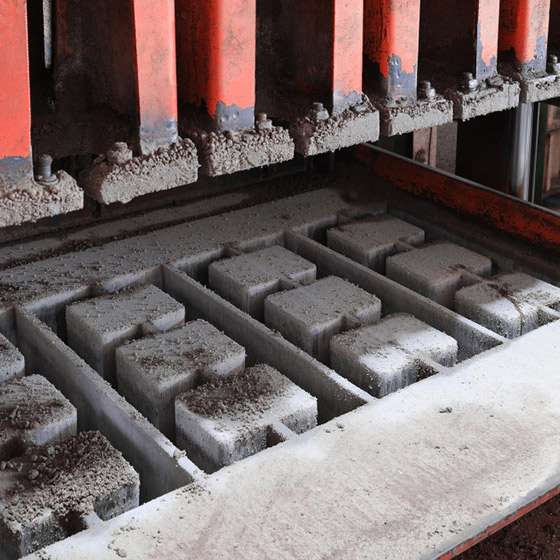
Hydraulic Press – This part uses hydraulics to squeeze the mix into the molds, making sure the bricks are dense and durable.
Vibration System – Adds some shake to get rid of air bubbles and pack the material tightly.
PLC Control Panel – Like the brain of the machine, the programmable controller runs the show so operators can watch, tweak, or step in if needed.
Mold System – Swap molds, and you can make different sizes or fancy brick shapes. No need for a second machine.
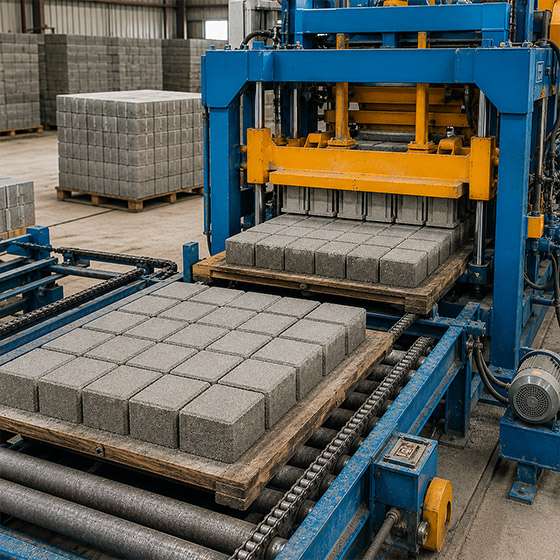
Conveyor & Stacking – When the bricks come out, conveyors move them to pallets and on toward the curing area. Less labor, more flow.
Here’s the typical step-by-step:
1. Material Prep – Measure out the right blend of cement, sand, stone, fly ash, water, etc., based on the recipe you need.
2. Mixing – Everything goes in the mixer and gets blended until it’s nice and even—key for quality.
3. Feeding – The mixed concrete travels automatically into the mold.
4. Compression & Vibration – Hydraulics press from above while the mold vibrates, packing the mix and eliminating air.
5. Forming – Once compacted, the machine releases finished bricks with clean lines and the right dimensions.
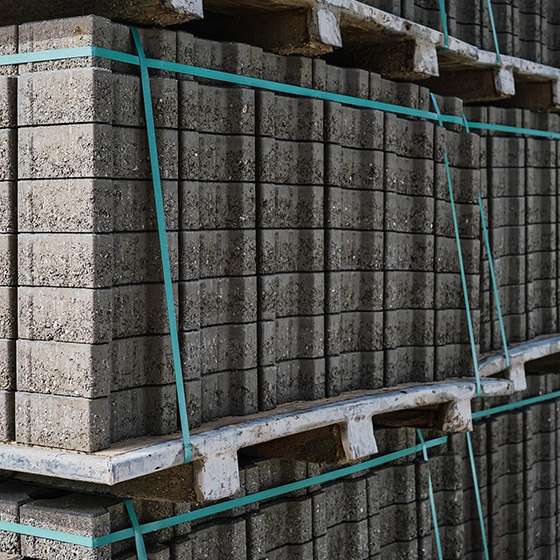
6. Pallet Transfer – Bricks slide out onto pallets—no heavy lifting needed.
7. Curing – The fresh bricks are cured, either in the open air or in a controlled environment, to reach full strength before shipping.
Versatility is a huge win here. Just by switching molds, a single automatic machine can make:
That means you can offer a bigger range and adapt to what the market wants, no extra setup required.
If you compare:
Picking the right machine is a big deal. Here are a few things to look at:
How many bricks per shift do you need to hit your targets?
More than the machine itself, you’re buying into long-term support—setup, training, spare parts, all of it. A good manufacturer means less downtime, better ROI, and a smoother business overall.
This industry isn’t slowing down. Look for more AI, smarter diagnostics, energy-saving hydraulics, “green” production features, automated maintenance alerts, and robots loading pallets. If you want to keep up, you’ll need to think like the future’s already here.
If you’re setting up a new brick factory or thinking about upgrading your current setup, choosing the right automatic concrete brick machine matters—a lot. This one choice can shape your business for years. When you team up with an experienced company like Karmyog Hi-Tech Machinery, you’re not just buying equipment. You’re getting cutting-edge automation, solid after-sales support, and peace of mind. The right machine and the right backing mean you can ramp up production, keep your quality steady, and run a business that’s both profitable and set for the future.