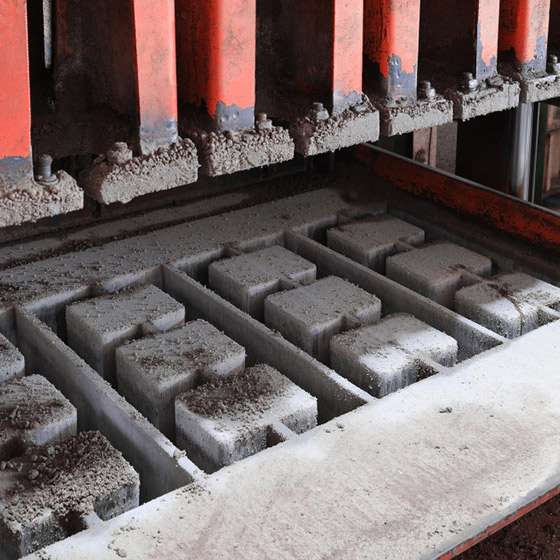
What Is a Fully Automatic Fly Ash Brick Making Machine and How Does It Transform Modern Construction?

The global construction industry is rapidly moving toward more efficient and sustainable building practices. At the heart of this transformation is a sophisticated piece of equipment: the Fully Automatic Fly Ash Brick Making Machine. This technology is not just an incremental upgrade; it represents a paradigm shift, replacing traditional, labor-intensive brick manufacturing with a high-capacity, environmentally conscious system.

What Defines a Fully Automatic Fly Ash Brick Making Machine?

A Fully Automatic Fly Ash Brick Making Machine is an integrated industrial plant designed to manufacture bricks, blocks, and pavers with minimal human intervention. Unlike manual or semi-automatic systems, the entire process—from raw material mixing to final product stacking—is controlled by a Programmable Logic Controller (PLC) system.

Key Components and Technology

The fly ash brick itself is a compelling building material, primarily composed of fly ash (a fine powder residue from coal combustion), cement, sand, and water. This composition turns a major industrial waste product (fly ash) into a valuable resource, promoting truly sustainable construction.

The machine’s operation is characterized by two core technologies:

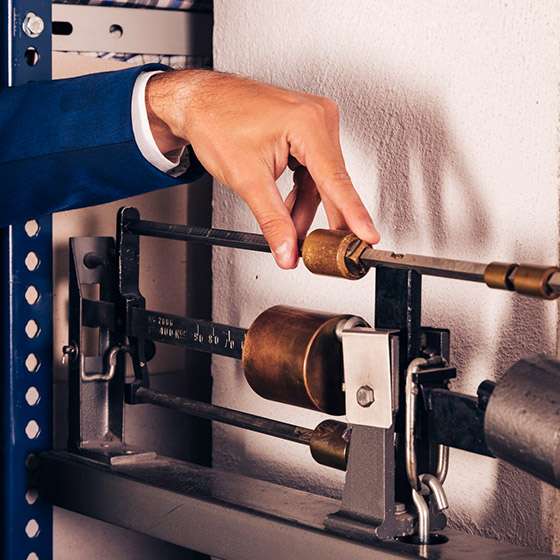
  1. Batching and Mixing: Raw materials are precisely weighed in a Batching Plant and mixed in a Pan Mixer to ensure a uniform composition. A Conveyor Belt System then transfers this mix.
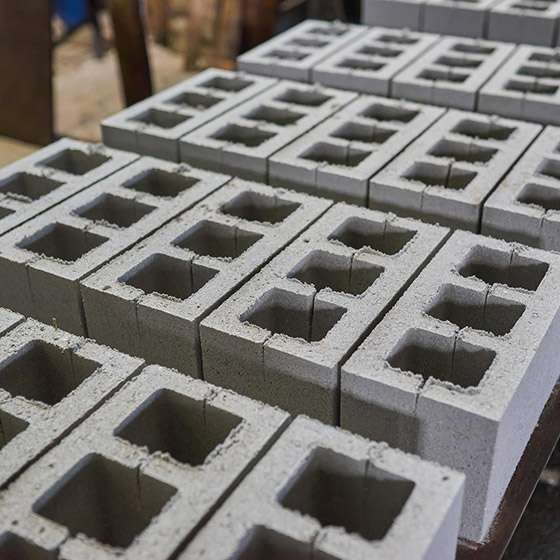
  2. Molding and Compaction: This is where the machine’s power shines. It employs high-pressure Hydraulic Technology and intense Vibro Compaction Technology to press the mix into highly dense, uniform molds. The resulting bricks and blocks (including Automatic Concrete Block Making Machine and Automatic Paver Block Making Machine capabilities) possess superior compressive strength and finish compared to traditional kiln-fired bricks.

The Transformation: Revolutionizing Modern Construction

The introduction of fully automatic fly ash brick plants has fundamentally changed the economics and logistics of the construction material supply chain. The transformation can be categorized into three major areas:

1. Enhanced Efficiency and Productivity

Manual production is slow, inconsistent, and highly dependent on labor availability. The automatic machine eliminates these bottlenecks, offering unmatched throughput.

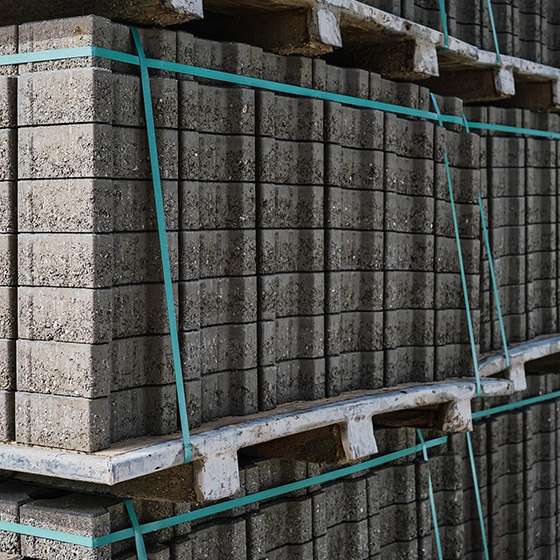
  • High Production Capacity: These machines operate at high speeds, capable of producing tens of thousands of bricks per shift, drastically reducing project timelines.
  • Consistency and Quality: The PLC control system ensures every brick is produced under the exact same pressure and dimensions. This consistency leads to less wastage, faster masonry work on-site, and superior product quality and durability.
  • Low Operating Costs: Automation minimizes the need for extensive labor and often optimizes raw material usage, leading to significant cost-effective production over time.

2. Driving Sustainable and Eco-friendly Practices

Modern construction demands materials that reduce the industry’s environmental footprint. Fly ash brick making is a critical step in this direction.

  • Waste Utilization: By consuming vast amounts of fly ash, the process directly addresses a major industrial waste disposal problem, conserving landfill space.
  • No Fuel Combustion: Unlike clay bricks, which are baked in kilns using coal or other fuels, fly ash bricks are cured using water, resulting in zero emissions of greenhouse gases during the manufacturing phase. This makes them an inherently eco-friendly building material.
  • Resource Preservation: The reliance on fly ash reduces the need for mining topsoil, which is necessary for traditional clay bricks, thereby protecting agricultural land.

3. Versatility and Material Strength

The flexibility of the automated system allows manufacturers to produce a Multi-Purpose Concrete Production Line on a single machine, adapting quickly to market demand.

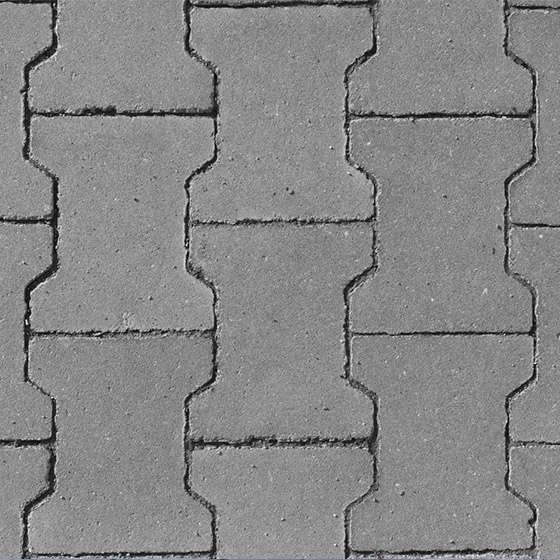
  • Manufacturers can switch molds to produce high-density Fly Ash Bricks, sturdy Concrete Blocks, specialized Interlocking Pavers, and even Kerb Stones.
  • The compaction process results in products with higher strength-to-weight ratios, ensuring buildings are not only faster to construct but also structurally sound.

Conclusion: Future-Proofing Building Material

The Fully Automatic Fly Ash Brick Making Machine is more than just a piece of heavy machinery; it is a vital tool for achieving modern construction goals. It offers a powerful blend of industrial efficiency, product quality, and environmental responsibility, making it indispensable for any business committed to providing high-quality, sustainable building material solutions. This shift towards automation and waste-to-wealth manufacturing is paving the way for a greener, stronger future in infrastructure development worldwide.