How Fully Automatic Fly Ash Brick Machines Improve Brick Quality and Consistency

In the construction world, consistency is key. A wall is only as strong as its weakest brick, and variations in size, density, or strength can lead to structural weaknesses, increased material waste, and slower construction times.

This is precisely why the Fully Automatic Fly Ash Brick Making Machine has become indispensable. It represents a technological leap from manual or semi-automatic methods, guaranteeing a level of quality and consistency previously unattainable.

By integrating advanced technology, these machines ensure every brick, block, or paver leaving the plant is a superior, durable product ready for modern, sustainable construction.

1. Precision Through Automated Batching and Mixing

The foundation of a high-quality brick is the accuracy of its raw materials—namely fly ash, sand, cement, and water.

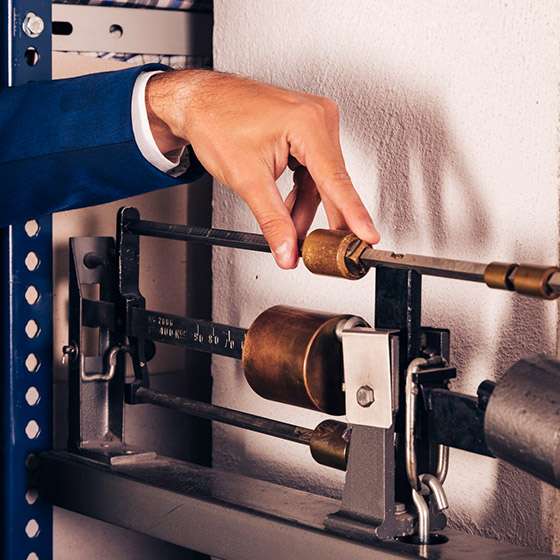
  • Eliminating Human Error: Unlike manual weighing, the Automatic Batching Plant uses high-precision load cells, managed by a centralized control system, to weigh each component exactly to the specified ratio. This eliminates the guesswork that leads to weak batches.
  • Homogenous Consistency: The powerful Pan Mixer then ensures a uniform blend. Materials are perfectly mixed before moving along the Conveyor Belt System, guaranteeing that the composition—and therefore the final density and strength—is identical for every unit produced.

2. Unmatched Strength via Hydraulic and Vibro Compaction

The main machine is where raw material is transformed into a rock-solid product, utilizing a dual-action approach powered by advanced technology.

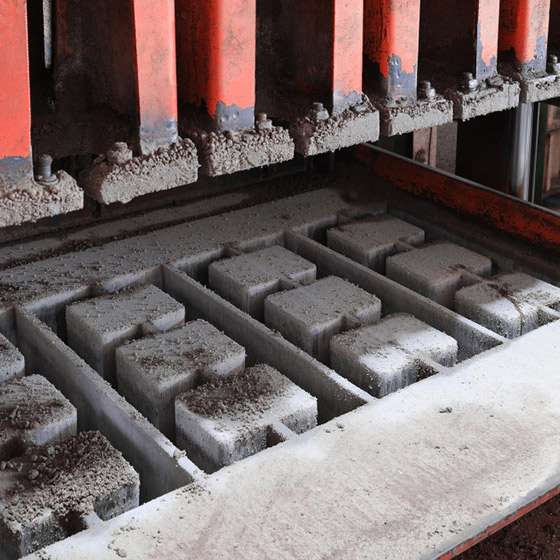
  • Intense Hydraulic Technology: The machine’s Hydraulic System applies massive, predetermined pressure onto the mold cavity. This high-pressure compaction drastically reduces porosity and voids within the material, ensuring the final product achieves maximum density and superior high compressive strength.
  • Optimized Vibro Compaction: Simultaneous to the hydraulic press, the system uses high-frequency Vibro Compaction Technology. This intense vibration forces the granular mixture to settle and compact completely, eliminating microscopic air pockets that could otherwise weaken the brick. The result is an exceptionally dense and strong brick with guaranteed durability.

3. Digital Control for Flawless Uniformity

The “Fully Automatic” nature of the system ensures every step is executed precisely, eliminating the variances common in labor-dependent processes.

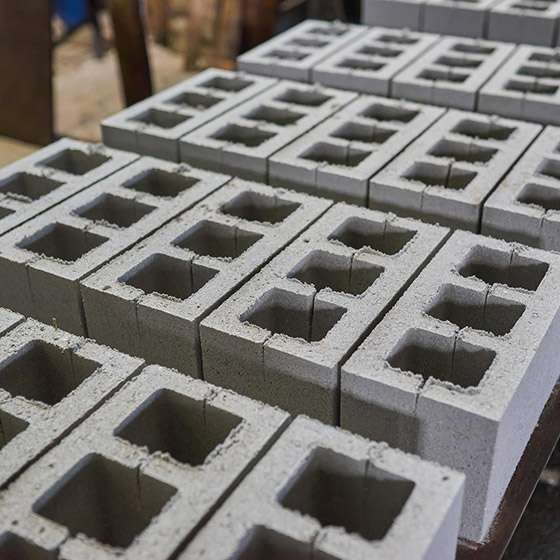
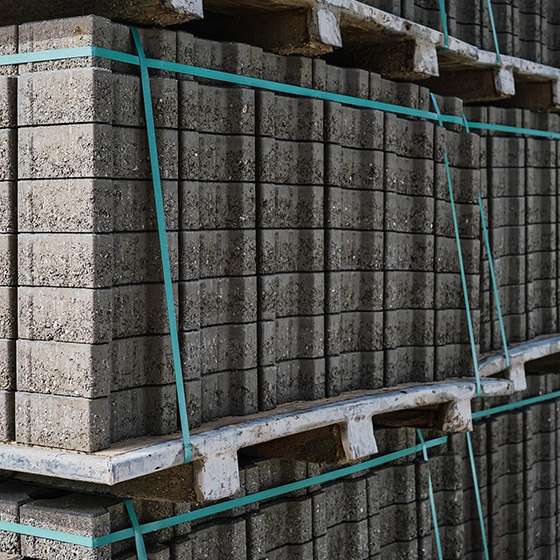
  • PLC Visualization Control: The entire operation, from batching speed to press duration, is governed by a PLC (Programmable Logic Controller) system. This intelligent control panel maintains identical process parameters for every cycle, day after day. This consistency is the key to mass-producing products like Automatic Concrete Blocks and Automatic Paver Blocks with flawless dimensional uniformity.
  • Reduced Wastage and Cost-Effectiveness: When bricks are perfectly uniform, construction becomes faster. Masons use less mortar and plaster, and there is minimal breakage during transport and laying. This consistent quality directly leads to a more cost-effective construction site.

4. Versatility for a Multi-Purpose Production Line

The fully automatic system also ensures consistent quality across various product types. Manufacturers can swiftly switch molds to produce different materials—from simple bricks to complex pavers—all while maintaining the same high standard of density and strength. This versatility supports a profitable Multi-Purpose Concrete Production Line, ensuring high production capacity without sacrificing performance.

Conclusion: Investing in Quality and Efficiency

A Fully Automatic Fly Ash Brick Making Machine is a strategic investment in quality. By leveraging precise sensors, Hydraulic Technology, and intelligent PLC control, manufacturers guarantee a product that surpasses traditional standards.

For builders and consumers, this means building with stronger, more uniform, and highly eco-friendly materials, ensuring long-term structural integrity and overall construction efficiency.