The surge in concrete paver block demand isn’t slowing down. New infrastructure, smart city blueprints, housing projects, and commercial landscaping jobs are popping up everywhere. So it’s no wonder so many people see a paver block machine as a golden business opportunity. It makes sense—if you get it right.
But here’s the painful truth: buying the wrong machine can bleed your wallet dry. People often focus on one thing—price—and ignore questions about production or after-sales service. That shortcut ends up creating headaches: more machine downtime, higher costs, and smaller profit margins.
Let’s cut through the noise. This guide breaks down common mistakes buyers make and shares some straightforward strategies to help you choose wisely.
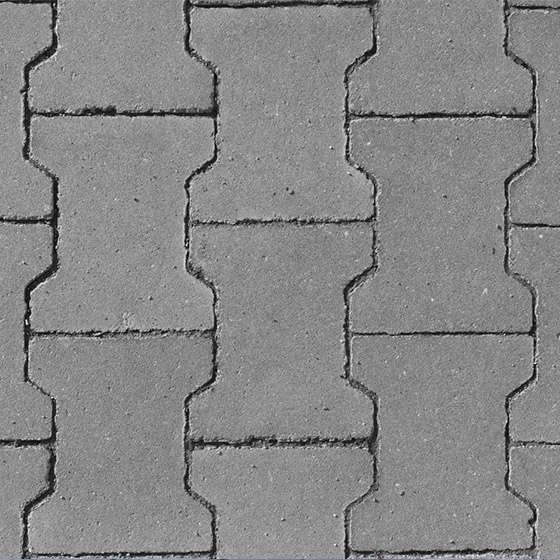
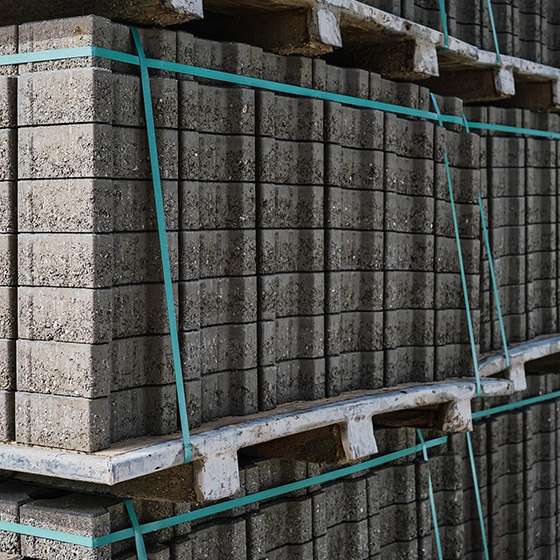
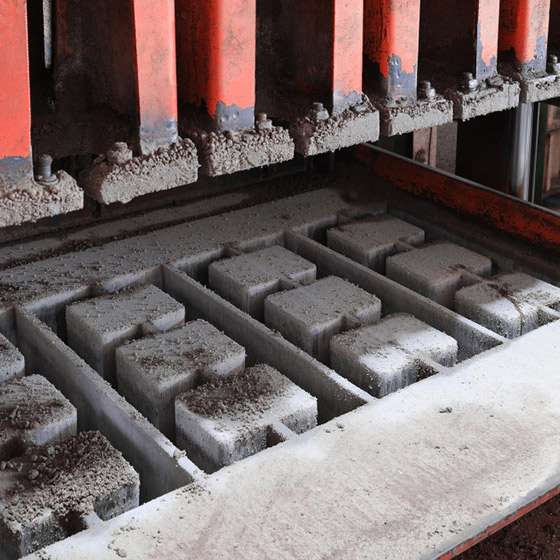
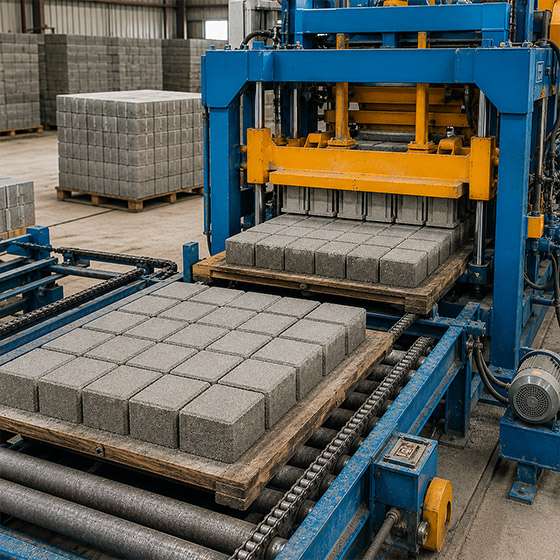
At its core, a paver block machine produces solid, uniform concrete blocks—the kind used in roads, walkways, driveways, gardens, warehouses, you name it. Modern machines crank out consistent blocks with real muscle (great compressive strength) and a clean finish. They also let you ramp up your operation without needing a fleet of extra workers.
Where Do You Use These Machines?
What Kinds of Blocks Can These Machines Make?
The right machine can handle:
Lots of first-time buyers figure they’ll keep costs low by buying the cheapest option. But then, reality strikes: the machine breaks down often, can’t keep up with demand, guzzles power, spits out weak blocks, and demands expensive repairs. Customers start complaining. Before you know it, “affordable” turns into a money pit with way more stress than you ever signed up for.
Don’t just guess at how many blocks you want to make. Ask yourself:
Buy a machine that’s too small, and you can’t keep up. Go too big, and you’re shelling out for capacity you don’t even use. Think about your working hours, staff, project scale, and long-term demand. If you see your business growing fast, pick a machine that can scale up with you.
Asphalt’s as dark as it gets, so it soaks up heat and makes cities hotter than the countryside. Think higher energy bills, more air conditioning, and more pollution.
But you can make interlocking pavers in lighter colors and different textures. They bounce back sunlight, making sidewalks cooler and neighborhoods more comfortable—all while shrinking the city’s carbon footprint.
Sure, saving money upfront feels good. But don’t get fooled—cheap machines cut corners on steel frames, hydraulics, molds, and electronics. Those savings disappear the moment your machine breaks down for the third time this month.
A solid, high-quality machine costs more at the start, but it makes up for it with reliability, less maintenance, and more finished blocks. Think of quality as a down payment on fewer headaches later.
What’s this machine made of? Flimsy frames shake themselves apart. Weak hydraulics means bad blocks. And poor vibration leaves air pockets—blocks crumble faster. You want:
Not all manufacturers are equal. Some are famous for quality; others, not so much. Before you invest, look up:
A manufacturer who’s transparent and helpful at every step is someone you want to team up with for the long haul.
How much automation do you need? This decision hits both your productivity and your staffing.
Take Karmyog Hi-Tech, for example. Their name carries weight because they focus on advanced solutions for paver block making, build tough machines, and offer real technical support—not just lip service. Plus, their automation options actually fit what businesses need. When you go with a proven company, you set yourself up for better productivity and real, long-term success.
Different machines work best with different mixes. Make sure the machine matches your supply—cement, sand, stone dust, fly ash, pigments, etc. Using the wrong machine means bad blocks and wasted raw materials.
Even the best machines break down sometimes. Fast support keeps your production running:
Downtime costs money. Reliable support saves the day
Nothing’s worse than halting your production for days (or weeks) because a tiny part isn’t available. Make sure:
Electricity bills chip away at your profits. Energy-efficient machines cost a bit more at the start but start paying you back almost immediately—lower bills, smaller carbon footprint, and fewer breakdowns.
Even great machines let you down if they’re set up wrong or used badly. Professional installation means your machine runs safely, lines up perfectly, and performs at its peak. Train your operators well and you’ll see fewer sloppy mistakes, less waste, and smoother production.
The must-haves are:
A reputable company looks after you for years—not just until the cash clears.
Get these right, and you’ll dodge the most common—and expensive—mistakes.
Buying a paver block machine isn’t small potatoes. It can shape your business for years. The cheapest option doesn’t pay off if it can’t keep up, keeps breaking down, or the manufacturer never answers your calls. Focus on real value—consistent quality, solid reliability, easy support. Take your time, do the research, and weigh every factor—production goals, manufacturer reputation, machine quality, automation, energy use, spare part access, and service. If you sidestep these common mistakes, you’ll set yourself up for a machine that helps your business grow—and keeps you ahead of the competition.