The construction industry is at a crossroads. For decades, the traditional red clay kiln was the backbone of building projects. However, rising environmental regulations, the depletion of fertile topsoil, and the demand for faster production have changed the game.
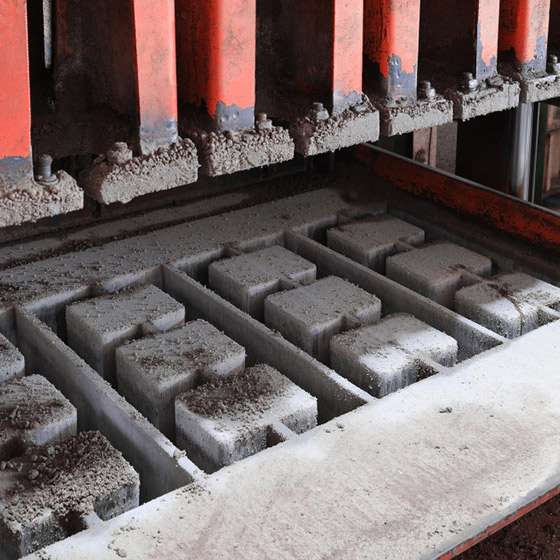
If you are looking to enter the brick manufacturing business or upgrade your current operations, the choice is clear: a fully automatic fly ash brick plant is the superior, more sustainable, and more profitable investment. Here is why the era of the red clay kiln is ending—and why fly ash is the future.
Traditional red clay kilns are under heavy scrutiny globally. They consume massive amounts of fertile agricultural topsoil and emit significant greenhouse gases.
One of the biggest weaknesses of traditional red clay kilns is their dependence on the weather.
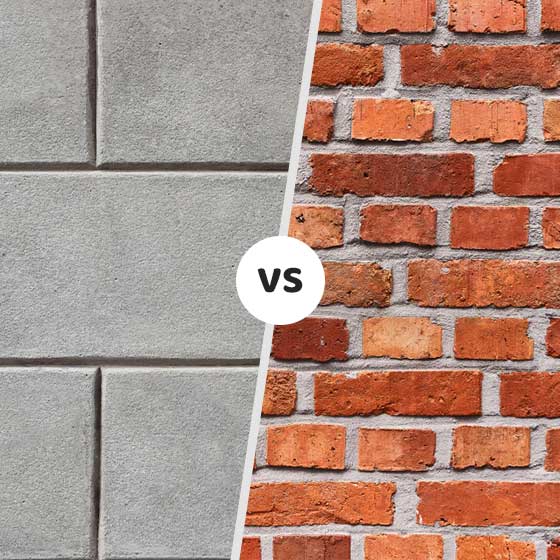
Have you ever noticed the uneven edges and varying sizes of red clay bricks? These inconsistencies lead to higher mortar consumption and longer masonry hours.
| Feature | Traditional Red Clay Kiln | Fully Automatic Fly Ash Plant |
|---|---|---|
| Raw Material | Fertile Topsoil (Depleting) | Fly Ash, Sand, Lime/Cement (Industrial Waste) |
| Production Speed | Slow & Manual | High-Speed & Automated |
| Eco-Friendliness | Low (High Emissions) | High (Eco-friendly) |
| Labor Requirement | High (Heavy Manual Labor) | Low (Operator-led) |
| Product Uniformity | Poor (Variable shapes) | Excellent (Precise dimensions) |
While a fully automatic fly ash brick plant price might be higher than setting up a basic kiln, the Return on Investment (ROI) is significantly faster.
The shift toward green building materials is not a trend; it is a permanent change in the construction landscape. By choosing a fully automatic fly ash brick plant, you are not just buying a machine—you are investing in a cleaner environment, a better-quality product, and a more resilient business model.