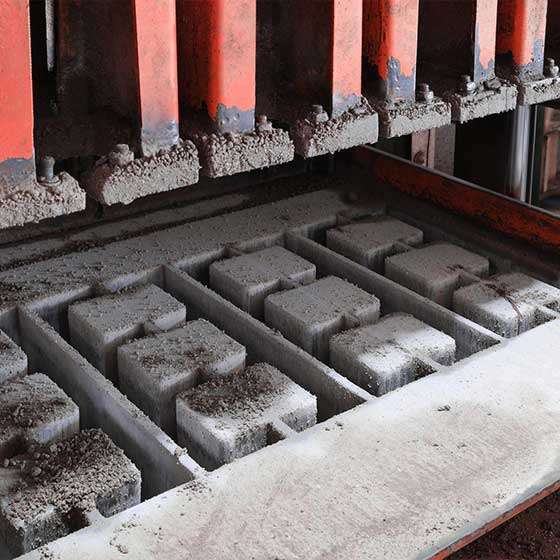
When it comes to building smart and saving money, the construction industry is always looking for new solutions. The fly ash block machine is one of the emerging trends in this field. Not only does it save production costs but also energy. Today I’m going to share how these machines are changing the way we build and why they might just be the future of building.
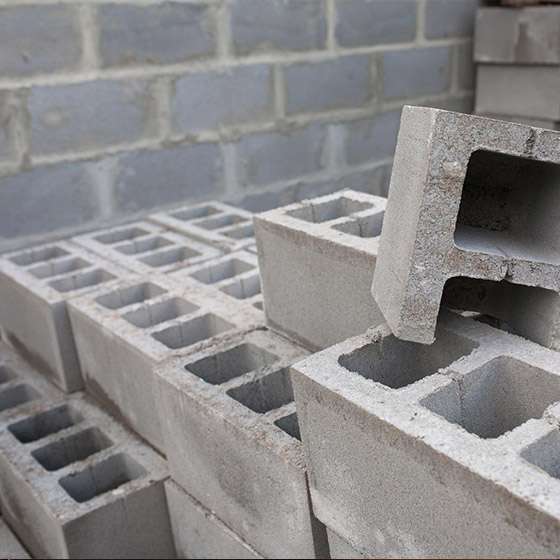
Fly ash is a byproduct from power plants, and instead of dumping it, these machines convert it into building blocks. The idea is simple but powerful—using something that would otherwise be thrown away to create a construction material. This reduces the need for more expensive raw materials like cement and sand, means lower costs for builders, and makes more affordable homes and buildings for everyone.
One of the biggest advantages of fly ash block machines is energy efficiency. The construction industry designs many of these machines to consume less power than older heavy machinery. With built-in energy-saving features like smart controls and automatic shut-off functions, these machines reduce electricity bills. But that’s not all. The fly ash blocks themselves provide great insulation for buildings, keeping interiors cool in the summer and warm in the winter. This means homeowners and building managers can save energy by reducing the need for air conditioning and heating.