Fly ash, the fine powder residue from coal combustion, poses one of the biggest industrial waste management challenges globally. While India and other coal-reliant nations strive for a sustainable construction future, the question remains: Are we truly leveraging the full potential of this massive waste stream through the most advanced technologies available?
The answer is complex, but one thing is clear: the Fully Automatic Fly Ash Brick Making Machine offers the most viable path to mass-scale waste utilization.
For decades, the bulk of fly ash was simply dumped into large ash ponds, creating significant environmental hazards by polluting air and leaching heavy metals into groundwater. Despite strong government mandates pushing for 100% utilization, the sheer volume generated annually remains staggering (hundreds of millions of tonnes globally). While the utilization percentage has improved dramatically, a massive backlog of legacy ash remains accumulated in landfills.
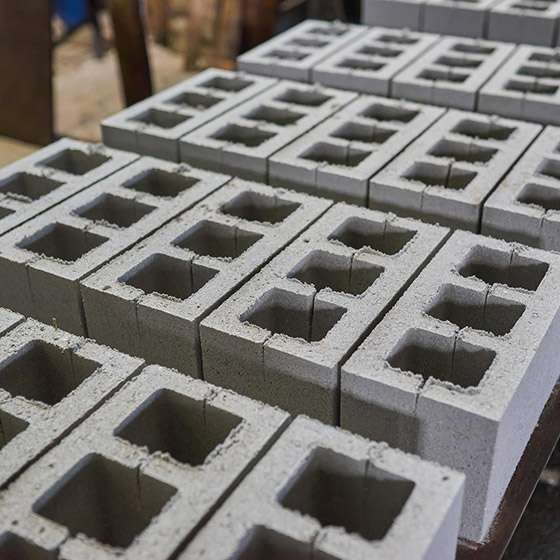
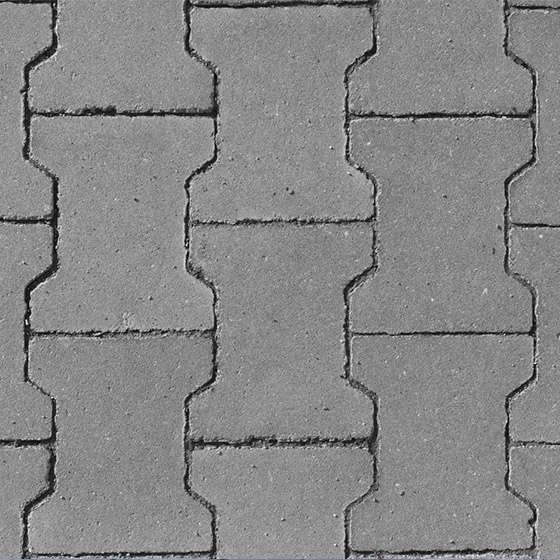
Achieving complete waste-to-wealth conversion requires technologies that can absorb fly ash on a truly industrial scale, and this is where Fly Ash Bricks and blocks come in. They represent a solution that is both environmentally necessary and economically viable.
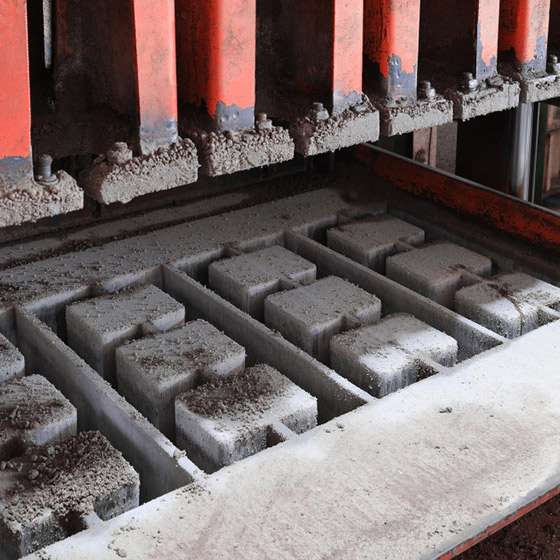
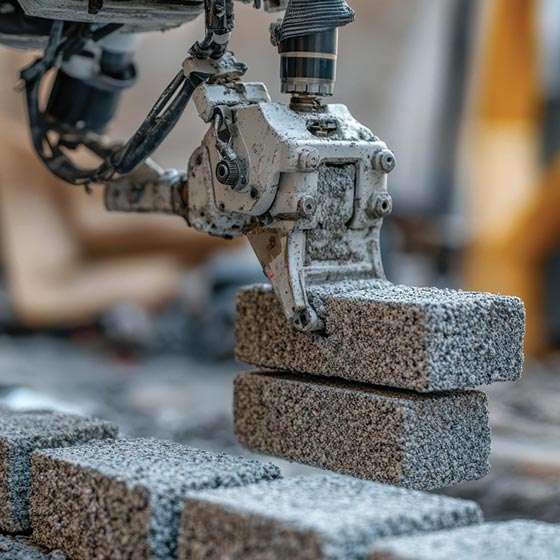
Advanced brick-making machines are the engine driving mass fly ash consumption. They address the two primary drawbacks of traditional fly ash use: low output and inconsistent product quality.
A key hurdle to utilization is matching the speed of waste generation with the speed of product manufacturing. Fully Automatic Fly Ash Brick Making Machines solve this by operating with minimal human intervention, ensuring continuous, high-volume output.
Fly ash quality can vary significantly based on the source of coal. Modern machines mitigate this inconsistency through sheer engineering prowess:
The advanced Fully Automatic Fly Ash Brick Making Machine is the most effective tool we have today to turn industrial waste into the core material of sustainable construction. It has transformed fly ash from a pollution concern into a resource, enabling manufacturers to maintain a profitable High Production Capacity while adhering to eco-friendly standards.
The technology is ready; the next steps require unwavering market adoption, logistical support, and political will to tackle the legacy ash and push utilization to its absolute limit.