Cities are changing fast. As smart city projects pop up everywhere, urban planners are ditching the old ways—no more relying on basic asphalt for roads and public spaces. It’s losing its spot to something smarter, tougher, and greener.
If you’ve ever run a concrete block machine in the heart of the tropics, you know it’s a constant battle. Hot days, humidity that never quits, and water vanishing from your mix faster than you can blink—it all messes with the chemistry of your concrete in ways that can ruin
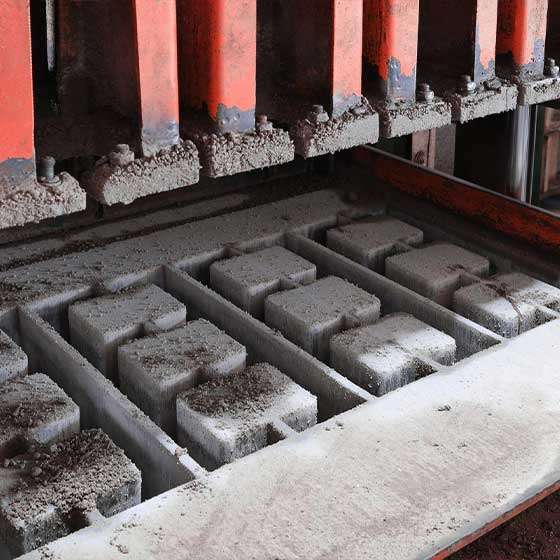
That’s the question if you’re aiming for flawless interlocking precision—because let’s face it, no one wants to end up with a batch that falls short. In the world of concrete, it’s really the molds that do the heavy lifting for quality and shape. The machine’s just the muscle.
In mass production, tiny changes in your mix can turn a good day into a bad one. If you run a fully automatic concrete block machine, you’re chasing one thing: maximum strength, minimum waste.
That’s the question if you’re aiming for flawless interlocking precision—because let’s face it, no one wants to end up with a batch that falls short. In the world of concrete, it’s really the molds that do the heavy lifting for quality and shape. The machine’s just the muscle.
The construction world takes “zero-cracking” seriously. If your paver blocks start to crack, you’re not just losing a batch—you’re probably losing business. Lots of factors go into making a block strong, but none matter more than how much force you apply when molding. Get this wrong, and even the best
Let’s be real—every strong road starts with the right blocks. As India’s infrastructure game levels up in 2026, the old idea of “standard” paving isn’t enough anymore. Roads now battle heavier trucks, unpredictable monsoons, and packed city traffic.
In 2026, things are changing fast for India’s construction industry. “Green Growth” isn’t just a buzzword—it’s the reality now. Electricity costs keep climbing, regulations are tighter, and it takes more than sheer production to run a profitable brick plant. Energy savings really matter.
The construction industry is undergoing a rapid transformation, and the demand for quality bricks has never been higher. For entrepreneurs and construction companies in India, the decision to opt for manual labor or automation is a determinant of success.
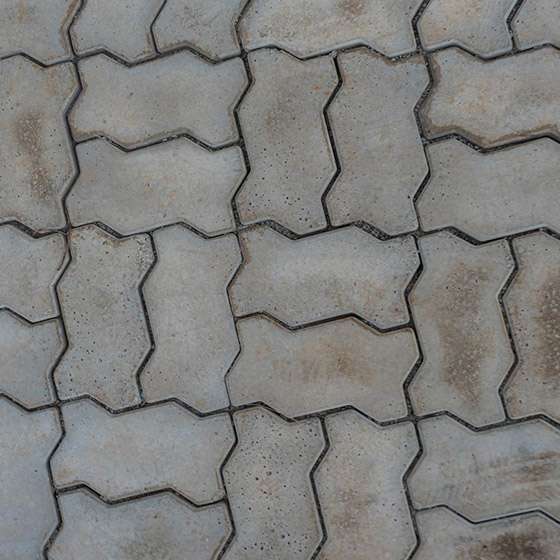
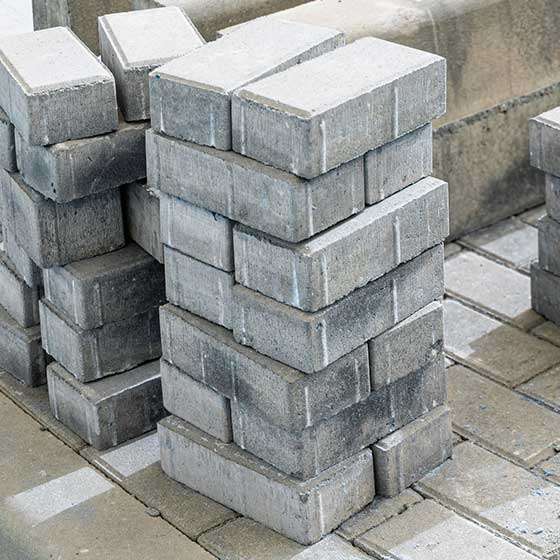
The requirement for interlocking paver blocks is rising exponentially because of their application in smart cities, petrol pumps, footpaths, and contemporary landscaping. If you are about to invest in a fully automatic paver block machine, the features you consider can make the difference between a failing and a profitable business.
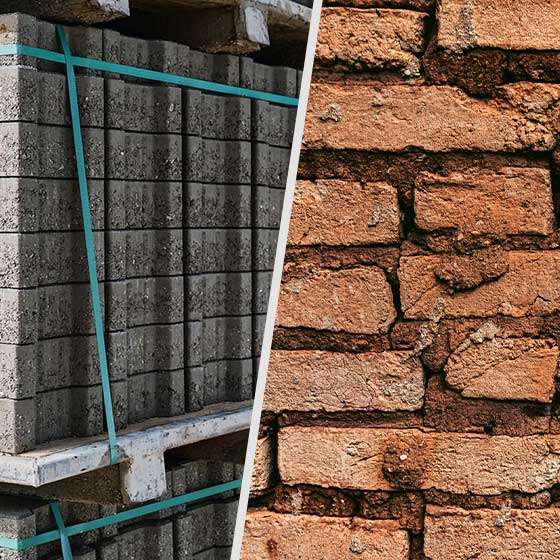
The construction industry is at a crossroads. For decades, the traditional red clay kiln was the backbone of building projects. However, rising environmental regulations, the depletion of fertile topsoil, and the demand for faster production have changed the game.
In the wake of India’s massive infrastructure push—from the “Smart Cities Mission” to the expansion of national highways—contractors are under immense pressure to deliver high-quality materials at record speeds. Among the sea of construction machinery,
The global construction industry is rapidly moving toward more efficient and sustainable building practices. At the heart of this transformation is a sophisticated piece of equipment:
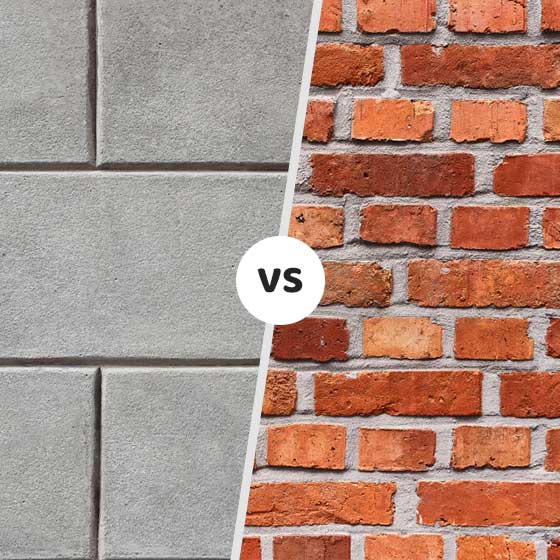
For centuries, the red clay brick was the undisputed king of construction. A symbol of permanence, it formed the foundation of our cities. However, the modern era demands materials that are not only durable but also sustainable, uniform, and cost-effective.
In the construction world, consistency is key. A wall is only as strong as its weakest brick, and variations in size, density, or strength can lead to structural weaknesses, increased material waste, and slower construction times.
Fly ash, the fine powder residue from coal combustion, poses one of the biggest industrial waste management challenges globally. While India and other coal-reliant nations strive for a sustainable construction future, the question remains
Starting or scaling a fly ash brick manufacturing unit is a strategic move toward sustainable construction. However, the success of a high-volume operation hinges entirely on one critical decision: choosing the right Fully Automatic Fly Ash Brick Making Machine.
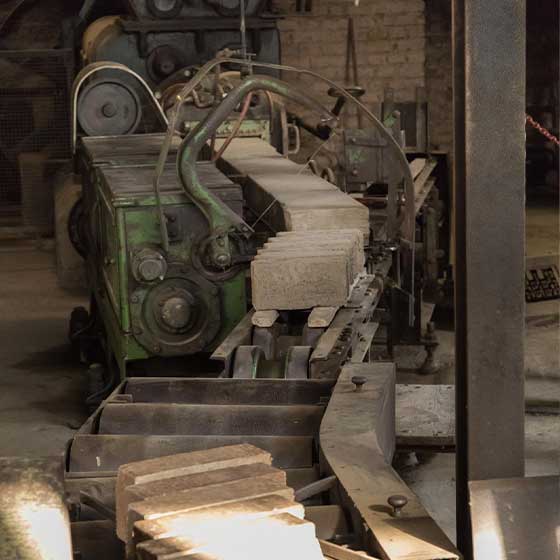
In modern construction, the move towards sustainable and high-quality building materials relies heavily on advanced machinery. The Fully Automatic Fly Ash Brick Making System is a prime example of integrated industrial design, transforming raw materials like fly ash into durable bricks and blocks with minimal effort.
In the world of paver block manufacturing, your machine is only as good as the moulds you use. Think of the mould as the soul of your paver block—it defines the strength, durability, finish, and visual appeal of your final product..